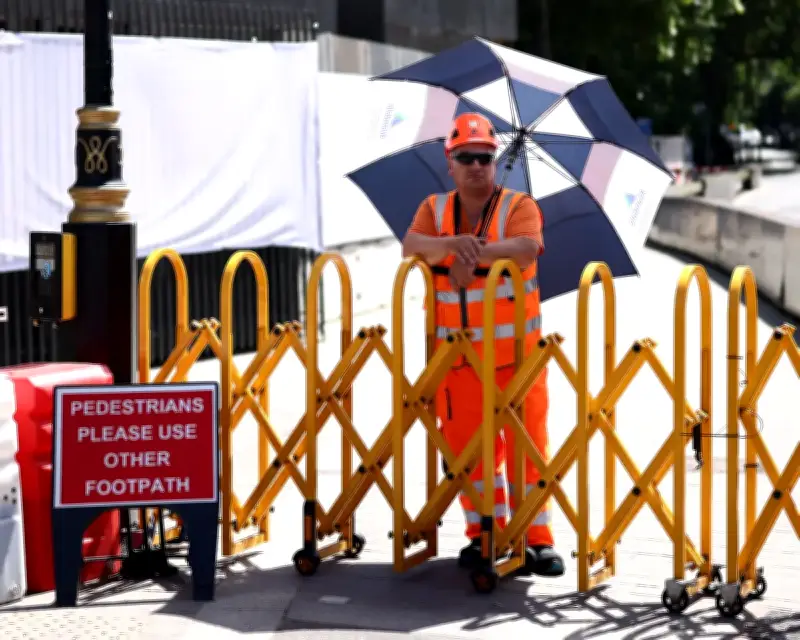
More than 1,500 bus drivers employed by Arriva in north London began a series of 26 strikes on Friday, protesting against extreme heat in their cabs, with temperatures reaching up to 44C. The action, led by the Unite union, is set to continue through October and affects routes across London and Essex.
Unsafe working conditions
Unite says most of Arriva North London's buses have old-fashioned air cooling systems rather than air conditioning, meaning onboard temperatures have only dropped by two or three degrees during this year's five heatwaves. Drivers' cabs are described as "compact greenhouses" that can easily reach 40C or higher. The union also reports a shortage of toilets on many routes, leading drivers to avoid drinking water, and members have experienced "heat exhaustion, heatstroke and dehydration."
Arriva, which reported a pre-tax profit of £133m, says it has introduced short-term measures to protect drivers and is investing in longer-term fixes, including cab air-conditioning upgrades and new fleet investment. However, the dispute reflects a broader failure across UK public and private sectors to address the mounting effects of global heating on workers.

Broader impact on workers
Similar issues are reported in other occupations. The Royal College of Nursing says some health service members have recently collapsed, with others reporting dizziness, nausea, and sweating "from head to toe." Research from the University of Reading found that 44% of construction workers surveyed had experienced a heat-related illness, and 57% had received no compulsory training on dealing with heat.
In Spain, Barcelona's authorities have distributed about 1,400 bracelets to outdoor workers that measure body temperature and alert when at risk. However, the CGT union has filed complaints about deficient management of the wristbands and a lack of air conditioning in working vehicles. In the US, official figures suggest over 550 workers die annually from heat exposure, with recent cases including a postal worker in Texas.
UK policy response
In the UK, there are no maximum workplace temperatures, although the Department for Work and Pensions has announced that the Health and Safety Executive will soon launch a public consultation on improvements to safety-at-work rules covering heat. The prime minister's spokesperson said there are "no plans to introduce a mandatory maximum workplace temperature."
Unite, the TUC, and the Climate Change Committee are calling for stronger protections, with the latter urging employers to ensure workplaces are safe for employees, including those working outside. The strikes highlight the urgent need for action before another boiling summer takes an even grimmer toll.