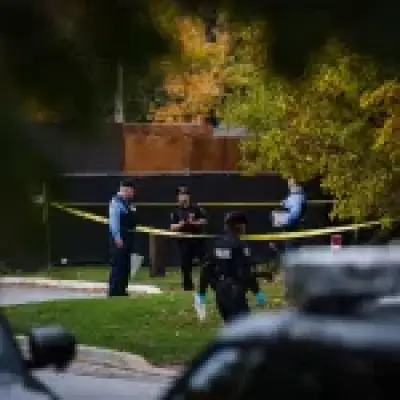
More than 4,000 fines have been handed out across Liverpool for litter and environmental crimes in the first three quarters of 2026, according to data released via a Freedom of Information (FOI) request. The figures show that almost half of all recorded fines were issued in the two city centre wards between January and September.
City Centre Hotspots
Neighbouring Brownlow Hill was the second busiest area ticketed by members of Liverpool Council’s external waste enforcement officers. Officials from Waste Investigations Support Service (WISE) issued penalties to more than 700 people up to and including last month.
However, not a single incident of littering enforcement was recorded in Fazakerley East or Much Woolton and Hunts Cross, according to the data. Single tickets have been handed out in Childwall, Belle Vale, Croxteth Country Park, Fazakerley West, Sandfield Park, Stoneycroft and West Derby.
Council Response
The high level of offences in the heart of town comes after the leader of the city council told the ECHO some areas haven’t had a wash for “more than a decade.” Cllr Liam Robinson put that down to the funding challenges the local authority has faced in the last 15 years. He said while Liverpool had a “beautiful” city centre, there was a “constant battle” to keep it looking tidy.
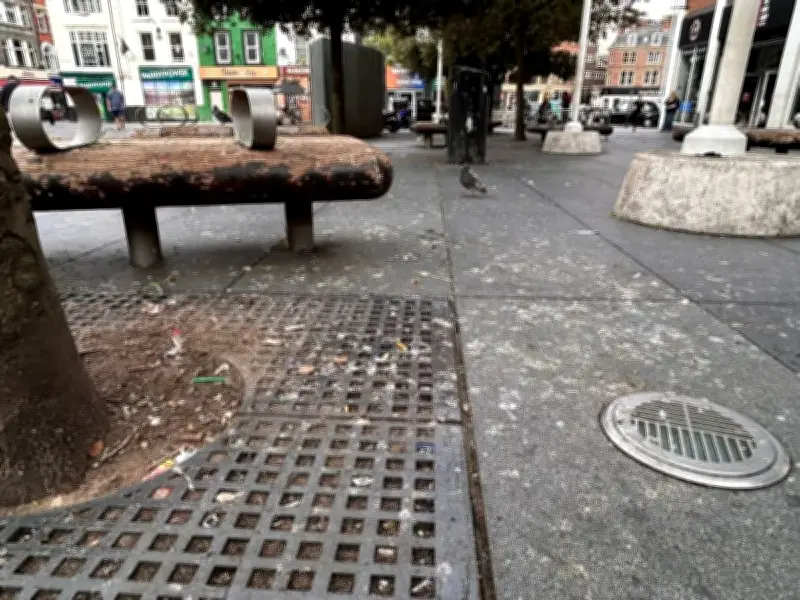
Those efforts haven’t been good enough for some, with residents, visitors and councillors all noticing how the city centre is looking dirty, tatty and rubbish strewn, with bird poo and chewing gum collecting on pavements. Cllr Robinson said by comparison to other major cities however, Liverpool was streets ahead.
Clean-Up Efforts
The local authority’s sustainable, safe and thriving neighbourhoods committee will hear next week how services are being put on to clean up grot spots. Liverpool has received chewing gum funding for four consecutive years, totalling more than £100,000 to support clean-up efforts across the city.
Information released last month showed more than 100 new positions had been recruited since April this year. Alongside this is the increased number of workers on existing late shift patterns increasing productivity by 50% and a greater number of visits to secondary shopping offers and high foot fall areas in targeted neighbourhoods. Extended working hours provide additional provision to respond to evening and night time economic pressures like St Patrick's Day.
Paul Murphy, director of environment, streetcare and recycling, told a meeting of the council’s sustainable, safe and thriving neighbourhoods committee street cleansing was one of the only services the council provides where “the team can do a brilliant job, leave the street and two minutes later it looks like they haven’t done their job and everyone’s complaining they haven’t done their job.”
On street washing, Mr Murphy said 12 new jobs had been created to cover a full weekly service. Teams are being split into two with a dedicated city centre team and a responsive unit. The reactive team will have capacity to visit locations outside the city centre and all the bridges across the city on a regular basis to deal with issues relating to bird droppings.