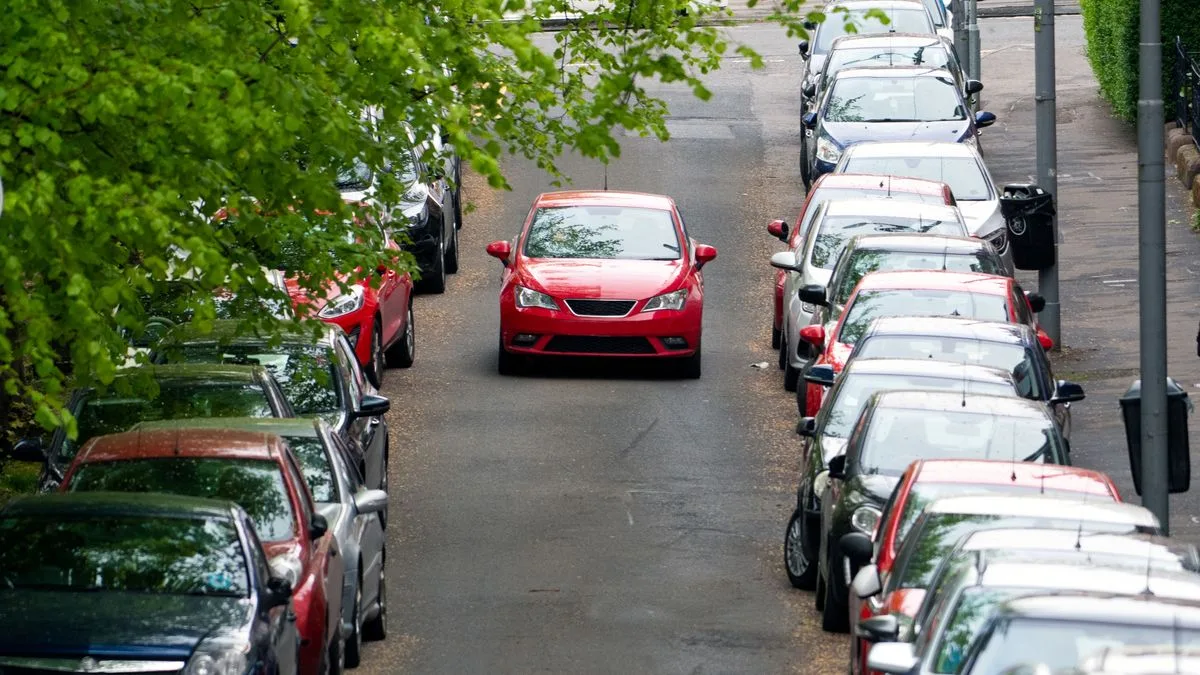
Many homeowners expecting visitors over the bank holiday weekend may be tempted to use illegal tricks to secure parking for their guests. However, the rules are clear when it comes to parking on public land, and residents do not have a special claim to spaces simply because they live on the street.
Any driver can park on a public road without restrictions, provided their vehicle is parked legally and fully insured – and this includes spaces outside someone else's home. While motorists cannot block a driveway or park a wheel over a dropped kerb, they are otherwise free to park where they see fit.
Homeowners cannot leave out parking cones to save a space. Under section 137 of the Highways Act 1980, it is an offence to obstruct the highway without proper permission. The Act states: 'If a person, without lawful authority or excuse, in any way wilfully obstructs the free passage along a highway he is guilty of an offence and liable to imprisonment for a term not exceeding 51 weeks or a fine or both.' Cones can only be placed with the permission of the local highway authority.

If you spot someone reserving a public parking space, you can report them to the council for causing a highway obstruction. Gov.uk advises: 'Report obstructions on the road, such as mud, illegal signs, overhanging tree branches, hedges, builders skips or scaffolding, to the local council or National Highways.' While you may move the cone if it is safe to do so, you cannot keep it, as this could constitute theft under the Theft Act 1968.
Moving a cone could also cause hostility between neighbours. Gov.uk suggests: 'Before making a formal complaint or getting others involved, try to discuss the problem with your neighbour. If you’re worried about approaching them, write a letter, explaining the problem clearly and sticking to the facts.' If the problem affects other neighbours, involving them can make it easier to settle the dispute.