Residents and traders in Grays, Essex, have painted a stark picture of a town in decline, citing crime, antisocial behaviour, fly-tipping, and a hollowed-out high street. The town, once a prosperous industrial port on the north bank of the River Thames, has struggled for decades, and locals say the problems persist.
Residents describe crime and disorder
Katie Barwood, 27, was blunt about living in Grays: "It's full of crackheads. It's dirty and rough, that's all I can say about Grays." She added that crime has always been an issue and that she would not come to Grays if she did not live there, often feeling intimidated by groups of men lingering on street corners.
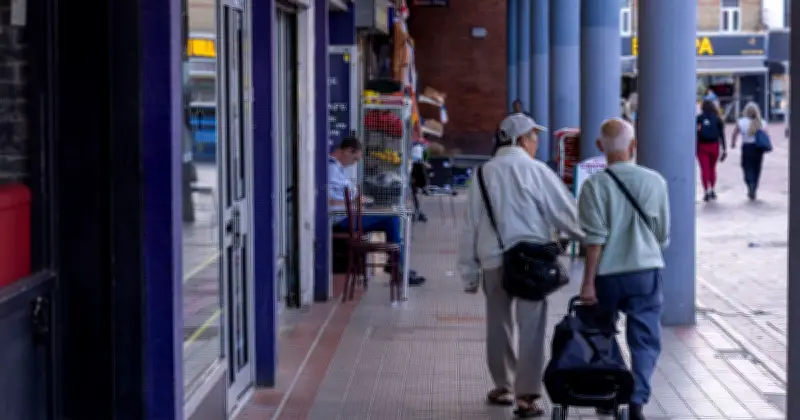
Steve McQuade, 66, who runs Grays Discount Store on Clarence Road with his wife, said the town has deteriorated significantly. "In the last 15 years, it's got so much worse here. It's terrible," he said, noting that walk-in trade has "basically been abolished" and that the town centre now has no footfall.
Historical decline and Lakeside impact
Grays was once a thriving industrial centre, with chalk quarries, brickworks, and docks. However, by the end of the 1970s, many industries scaled back or closed, leading to job losses. According to Thurrock Council's Town Investment Plan, the town centre remained viable until the opening of Lakeside Shopping Centre in 1990, which drew footfall away and triggered a retail decline.
The struggles continued with shop closures during the Covid-19 pandemic and the rise of online shopping. Thurrock Council proposed regeneration plans in 2012, but progress stalled. In December 2022, the council issued a Section 114 notice, effectively declaring bankruptcy after losing money on failed solar farm investments, putting regeneration projects on hold.
Crime, fly-tipping, and homelessness
Mr McQuade said his wife will not work in the town centre after 1pm because of groups of youths who "terrorise the shops" after college. He also described daily fly-tipping outside his shop, with rubbish dumped in alleyways across the town centre. He reported one incident where boxes were dumped with the offender's name and address, but the council said nothing could be done as the person was from Harlow.
A second resident, who wished to remain anonymous, said Clarence Road is known locally as "Crime Alley," with open drug-dealing, drunk people, and youth crime. He recounted an incident where a boy was chased by a machete-wielding gang in broad daylight. He described the town centre as "just betting shops and vape shops," creating a vicious cycle of unemployment, drug habits, and crime.
Homelessness is also a visible issue. Margaret Briggs, 77, who visits weekly from Dagenham, pointed to homelessness as a problem. The council has acknowledged it as a growing issue, with around 600 people in temporary accommodation and an estimated eight sleeping rough.
Commuters and official response
Despite the challenges, Grays has become a commuter hub, with frequent rail services to London Fenchurch Street. However, some argue the railway line "divides the town in half," cutting pedestrian flow and creating a dangerous crossing. Georgette Judd, 75, said the town has "gone downhill for my age group," while Jimmy Batt, 34, called it a "ghost town" with little to offer.
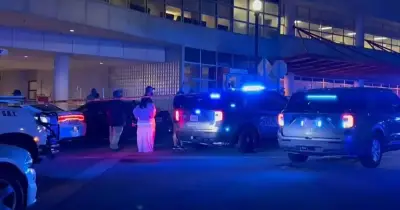
Chief Inspector Danny Barnes, Thurrock district commander, said officers carry out daily patrols and have made arrests, recovered stolen vehicles, and disrupted drug dealing. He acknowledged the impact of antisocial behaviour and said it remains one of his highest priorities.
Cllr Russell Cherry, Cabinet Member for Veterans, Enforcement and Environment, said a Public Space Protection Order is in place to tackle antisocial behaviour, and Grays is set to benefit from £250,000 of Pride in Place funding, with £150,000 earmarked for the High Street. He said he hopes improving the area will increase civic pride and reduce crime.