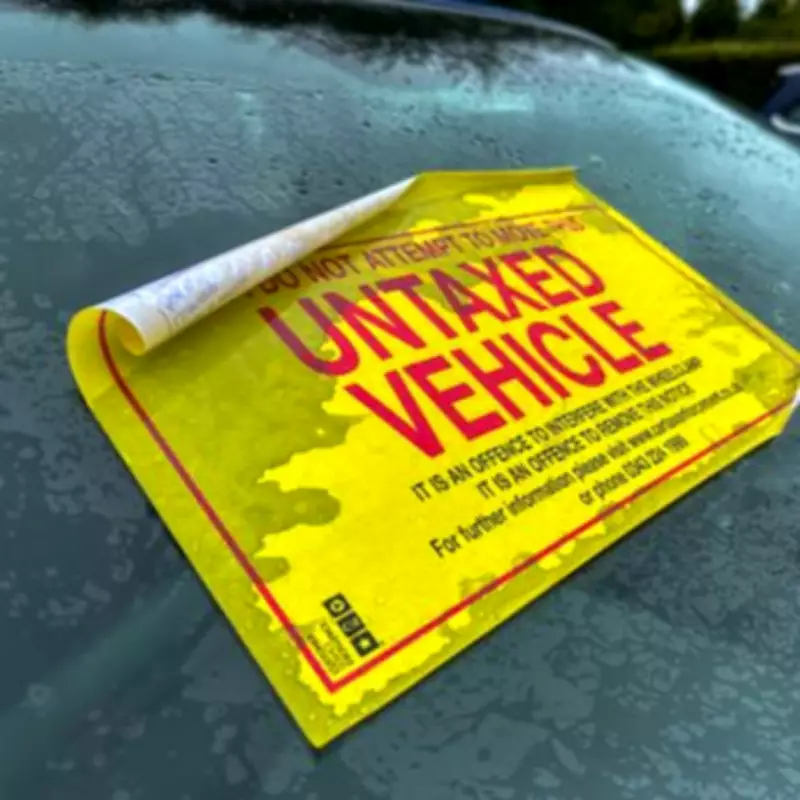
DVLA Prosecutes Grieving Widow Over £35 Car Tax Bill After Husband's Death
A grieving widow has been convicted over a £35.84 vehicle tax bill that went unpaid on her late husband's car in the weeks following his passing. The 51-year-old woman, who does not drive and had never owned a vehicle herself, was taken to court by the Driver and Vehicle Licensing Agency (DVLA) through the controversial fast-track Single Justice Procedure.
Overwhelmed by Grief and Administrative Tasks
In a heartfelt letter to Barrow-in-Furness Magistrates' Court, the widow explained that her husband had recently died when the offence occurred last July. "This was an extremely distressing and overwhelming period in my life," she wrote. "I was grieving while also dealing with funeral arrangements and many urgent administrative matters following his death."
The woman, who lives near Chesterfield in Derbyshire, inherited her husband's Jaguar car but had limited understanding of vehicle tax requirements. "English is not my first language, and I struggle to fully understand official correspondence," she explained in her mitigation letter. "During this very difficult time, I did my best to manage everything correctly, but I became confused about the vehicle tax and SORN requirements."

No Intent to Break the Law
The widow emphasized that the vehicle was never used on public roads and remained parked at her home address throughout. "There was absolutely no intention to avoid paying vehicle tax or to break the law," she stated. "As soon as I understood the situation, I took steps to correct it."
Despite her detailed explanation of circumstances, the woman received a criminal conviction. She entered a guilty plea in writing and was sentenced by magistrate Dawn Towart to a six-month conditional discharge. The court also ordered her to pay £85 in costs plus the original £35.84 car tax bill.
Controversial Single Justice Procedure Under Scrutiny
The case was processed through the Single Justice Procedure (SJP), which allows certain cases to be decided by a single magistrate without a public hearing. This system has faced criticism for potentially producing convictions for vulnerable people over unpaid bills without proper consideration of mitigating circumstances.
Magistrate Towart opted to convict the woman rather than refer the case back to the DVLA to determine if prosecution remained in the public interest. The DVLA has itself supported reforms to the SJP system, suggesting that prosecutors should automatically see letters sent to courts in mitigation that might contain crucial information about defendants' circumstances.
Judicial Review and Government Inaction
At her annual press conference, Lady Chief Justice Baroness Sue Carr revealed that a top judge has conducted a "nuts and bolts" review of the SJP system following concerns about its operation. However, she did not disclose the results of this audit, stating that decisions about the system's operation fall to politicians.
"The judges are applying the law as it applies," Baroness Carr stated when questioned about public confidence in magistrates' work within the SJP framework. The Government conducted a consultation on potential changes to the system but has taken no action in the year since seeking views on reform.
This case highlights ongoing tensions between bureaucratic enforcement procedures and compassionate consideration of individual circumstances, particularly when vulnerable individuals are navigating complex administrative systems during periods of personal tragedy.