Dunblane Massacre: A 30-Year Legacy of Gun Control and Grief
Thirty years have passed since the Dunblane massacre, a tragic event that profoundly reshaped the United Kingdom's approach to firearms and left an indelible mark on the nation's collective memory. On March 13, 1996, a gunman entered Dunblane Primary School in Scotland, killing 16 children and one teacher before taking his own life. This horrific incident sparked immediate public outrage and led to swift legislative action, resulting in some of the strictest gun laws in the world.
Immediate Aftermath and Legislative Response
In the wake of the massacre, a powerful campaign led by bereaved families and survivors, notably the Snowdrop Campaign, galvanised public support for tighter gun control. The government responded with the Firearms (Amendment) Act 1997, which effectively banned private ownership of handguns in Great Britain. This legislation was further strengthened by subsequent laws, making it extremely difficult for civilians to obtain firearms legally. Today, the UK boasts one of the lowest rates of gun-related deaths globally, a direct legacy of the Dunblane tragedy.
Ongoing Trauma and Community Impact
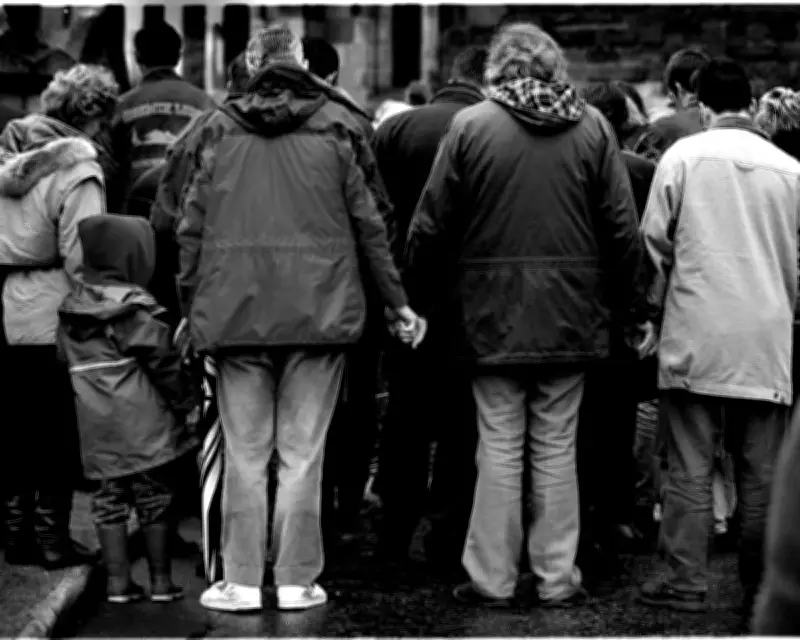
Beyond the legal changes, the Dunblane massacre has left deep psychological scars on survivors, families, and the local community. Many of those affected continue to grapple with post-traumatic stress, grief, and a sense of loss that has persisted for decades. Annual memorials and community support groups have been established to help cope with the enduring pain, but the emotional toll remains significant. Experts note that such events can have intergenerational effects, influencing mental health and community cohesion long after the initial incident.

Comparative Context and Global Influence
The Dunblane massacre stands as a pivotal moment in UK history, often contrasted with gun violence in other countries, such as the United States, where school shootings remain more frequent. The UK's proactive stance on gun control post-Dunblane has been cited as a model for other nations seeking to reduce firearm-related violence. However, debates continue over the balance between public safety and individual rights, with some advocating for even stricter regulations in light of ongoing global threats.
Reflections on Safety and Prevention
As the 30th anniversary approaches, reflections on Dunblane highlight the importance of robust safety measures in schools and public spaces. While the UK has not experienced a similar large-scale school shooting since, concerns over mental health support, early intervention, and community vigilance persist. The legacy of Dunblane serves as a sombre reminder of the need for continuous efforts in violence prevention and support for victims of trauma.
In summary, the Dunblane massacre's legacy is multifaceted, encompassing stringent gun laws, ongoing emotional suffering, and broader societal lessons. Its impact continues to resonate, shaping policies and perspectives on safety and grief in the UK and beyond.