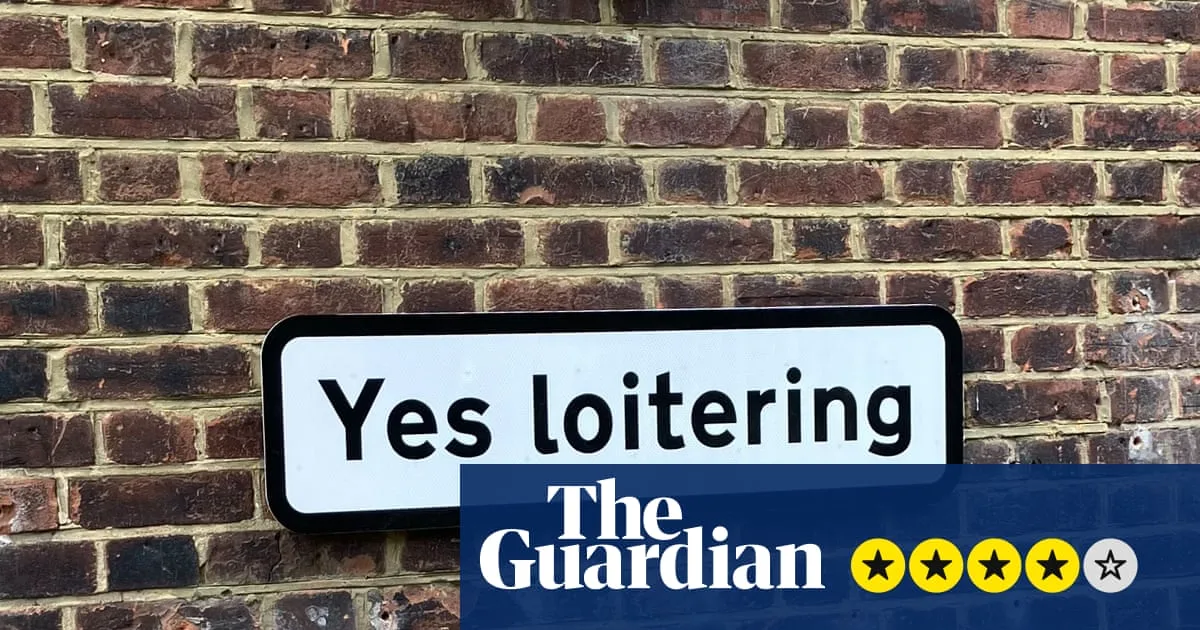
A new exhibition at the Museum of Homelessness in London, titled Criminal: An Untold Story of Homelessness, Resistance and Survival, explores how homeless and nomadic people have been persecuted over the past 400 years. The mostly alfresco show, set in the garden of Manor House Lodge in Finsbury Park, uses installations, collaborations and infographics to deliver a powerful, gut-punching critique of systemic criminalisation.
One installation, by Romany Gypsy poet and artist Gemma Lees, features a trim caravan decorated with pastel bunting, felt embroidery and pristine china. On closer inspection, the china bears Sun newspaper headlines such as “STAMP ON THE CAMPS” and an image of a blazing caravan from the 2011 Dale Farm eviction. The bunting is printed with extracts of state proscriptions against nomadic communities, from the Egyptians Act of 1530 to the 2022 Police, Crime, Sentencing and Courts Act.
The exhibition’s chronological narrative covers land enclosure, Elizabethan “rogue” literature, Victorian institutions and modern disinformation. It highlights how the Vagrancy Act of 1824, which criminalises sleeping rough and begging, remains in force despite promises to scrap it. The act also underpinned the “sus” stop-and-search law that disproportionately targeted ethnic minorities.

Homelessness in London has reached a record high, with outreach teams recording over 13,000 rough sleepers in 2024-2025 – a 63% increase on a decade ago. The Museum of Homelessness, which opened its permanent home in 2023, also provides community support and a cold weather shelter. Criminal runs until late 2025.