On the night of 8 June, Belfast was engulfed in racial violence, with cars and homes set on fire after a horrific knife attack. The unrest, orchestrated by far-right agitators, saw mobs target immigrant families in loyalist areas, leaving a trail of destruction and fear.
Attack sparks unrest
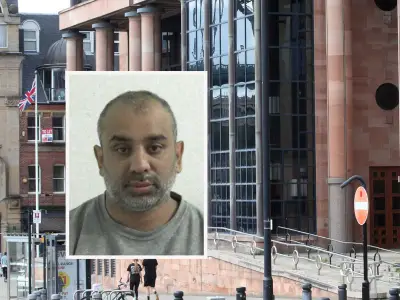
Shortly after 10.30pm on Monday 8 June, a man was brutally stabbed in Kinnaird Avenue. The assault, captured on cameraphones, spread rapidly on social media. The assailant, initially identified as a refugee from Somalia, later corrected to Sudan, was taken into custody. Despite this, outrage grew, with commentators questioning the vetting of foreign men and the 'alien culture' they imported.
By 9.30am the next day, messages circulated urging businesses to close at 5.30pm and men to gather at 25 locations across Northern Ireland at 7pm, wearing dark clothing and prepared to fight or be arrested. Far-right figures like Elon Musk and Tommy Robinson amplified the calls.

Night of violence
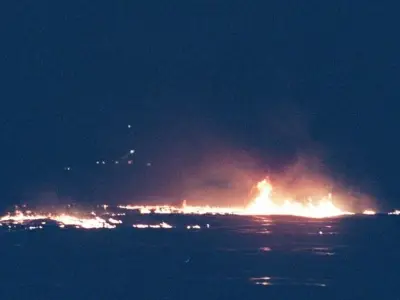
By early afternoon, schools sent children home, public transport halted, and foreign-owned businesses shut. At about 7.30pm, a crowd on the Shankill Road, some draped in union flags, marched to the home of a Romanian family. Windows were smashed, fireworks shoved through the letterbox, and the family's car set alight. Men in balaclavas broke down the door. Similar scenes unfolded across Belfast, with families from Ukraine, Romania, Poland, and Sudan fleeing. Properties and vehicles, including a Glider bus, were set ablaze.
The violence abated around 10pm. Some rioters celebrated, while others surveyed the damage. Rain helped emergency crews douse the embers.
Paramilitary involvement
Northern Ireland was primed for the riot, said Daniel Holder, director of the Committee on the Administration of Justice (CAJ). 'We could see it coming. It wasn't unprecedented, it was an escalation of an existing pattern.' The violence was orchestrated, with evidence of paramilitary groups like the UVF and UDA involved. Some factions urged restraint, but others orchestrated much of the violence. Firefighters sought permission from paramilitary leaders before tackling blazes, sources said.
Teenagers were ferried to flashpoints, and some were paid £100 to join the rioting, said a youth worker. Chris Quinn, Northern Ireland's children's commissioner, noted a long history of child criminal coercion. 'There's been a long history of child criminal coercion and child criminal exploitation.'
Rising racism
In the year to 31 March, police recorded 2,367 race incidents and 1,507 race crimes, the highest on record. Naomi Green, of the Muslim Council of Britain, said a sense of foreboding grew as summer approached. 'We thought it was going to get quite scary very quickly, and it did.'
AI-generated anti-Islam murals have appeared in loyalist strongholds. 'Islam is Heathen, Islam is Satanic — A New Evil Has Arisen,' says one.
Aftermath and fears
The next day, Belfast was quiet, but further unrest occurred in Glengormley, where a mob tried to march on a hotel housing asylum seekers. Police used water cannon and plastic bullets. The violence stopped around 11pm.
A poll by More in Common found that 8% of people in Northern Ireland said it was justified to burn migrants out of their homes, and 11% agreed with intimidating them out of an area. Conleth Burns, associate director at More in Common, said similar numbers exist in many societies.
The Institute for Strategic Dialogue reported a surge in far-right online activism, with posts promoting anti-white police bias rising to over 200,000 in the first two weeks of June.
Critics say the Stormont executive failed to prepare for the crisis. 'This was the third time in two years,' said Dessie Donnelly of rabble.coop. 'They should have known something would happen.' Liz Griffith of the Northern Ireland Law Centre said anti-racism legislation had not been updated. 'It's been updated in England, Scotland and Wales, and ours is just antiquated.'
Many migrants fear another eruption. Suleiman Abdulahi, founder of Horn of Africa People's Aid Northern Ireland, has reported 12 attacks, none resulting in prosecution, but he remains hopeful. 'I'm not saying the Northern Ireland people – the majority – are racist. The majority are hospitable.'