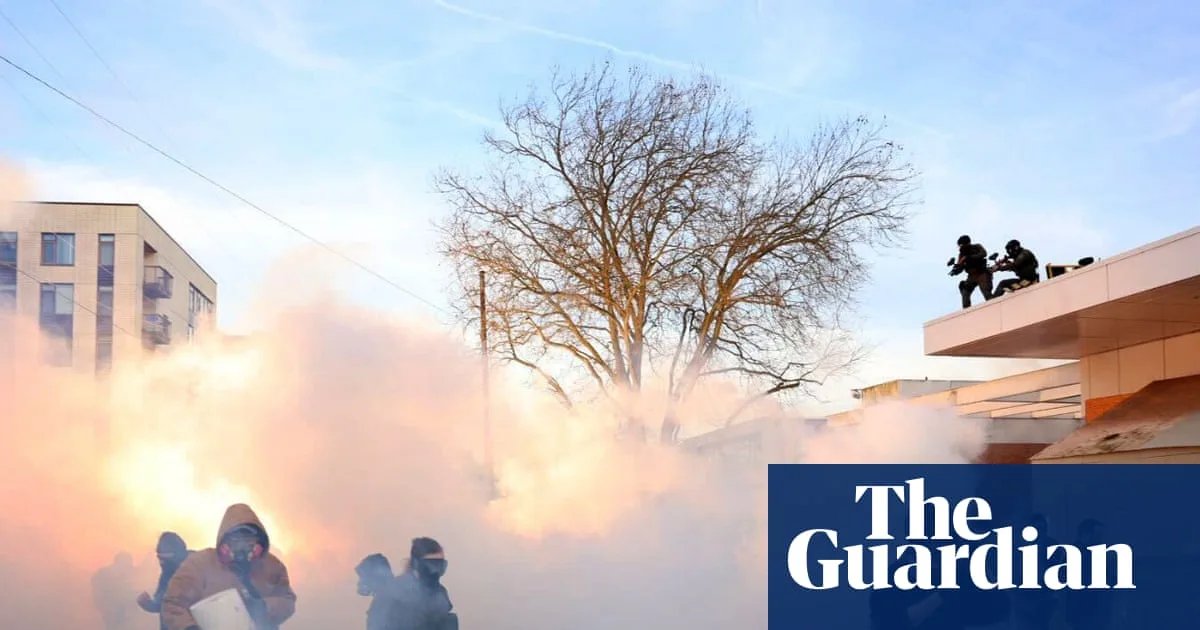
A federal judge in Oregon has temporarily barred immigration officers from using teargas or projectile munitions against protesters outside the Immigration and Customs Enforcement (ICE) building in Portland. The ruling by US District Judge Michael Simon follows a weekend in which agents fired teargas, pepper balls and rubber bullets into a crowd of thousands, including children, during what local officials described as a peaceful protest.
The temporary restraining order, effective for 14 days, prohibits the use of chemical or projectile munitions unless a person poses an imminent threat of physical harm. It also restricts officers from firing at the head, neck or torso unless deadly force is legally justified. The order states that 'defendants' violence is in no way isolated' and that the agency's culture 'celebrates violent responses over fair and diplomatic ones'.
The ruling came in response to a lawsuit filed by the American Civil Liberties Union of Oregon on behalf of protesters and freelance journalists. The suit names the Department of Homeland Security, its head Kristi Noem, and former President Donald Trump as defendants, arguing that the use of force violates First Amendment rights. The Department of Homeland Security did not respond to a request for comment.
The order details incidents where plaintiffs, including an 83-year-old Vietnam veteran and his 84-year-old wife, were hit by munitions. Laurie Eckman was struck in the head by a pepper ball and diagnosed with a concussion. Another protester, known for wearing a chicken costume, was pepper-sprayed and shot in the back. Two journalists also reported being targeted, with one having his camera broken and being shot 20 times with pepper balls.
Similar legal challenges have arisen in other cities, with courts in Minnesota and Chicago issuing conflicting rulings on the use of such munitions against protesters. The Portland order is part of ongoing tensions over federal immigration enforcement and protests that have intensified since last year.