Ambulance chiefs have launched investigations into more than 200 incidents where patients were put at risk in the last five years, new figures have revealed.
The number of serious adverse event reviews (SAERs) carried out annually rose by more than 50% last year - while the 2026 figure has already surpassed last year's total.
The spike in reviews - which are triggered to learn lessons from deaths, near-misses and cases where patients had suffered unnecessarily - was revealed after the Record exposed the tragic cases of Brian Hurton and Julie Parker - who both died after waiting several hours for an ambulance.
Figures show sharp rise in reviews
Figures released to the Record under Freedom of Information laws show there have been 240 SAERs dating back to 2021.
A SAER is a formal review process that examines significant adverse events to understand what happened, identify learning, and support improvements that help prevent similar incidents from happening again.
There was a major spike in cases in 2023, with 64 being carried out. This dropped significantly to 21 in 2024. But that figure rose again last year to 32. So far this year there have been 36 cases - four more than last year's complete figure.
Families demand change after deaths
Scottish Labour Health spokesperson Jackie Baillie described the figures as "deeply worrying" while the heartbroken family of Brian - who died alone in agony on his bathroom floor - have demanded evidence of change at a crunch meeting with ambulance chiefs.
Brian's sister Allison Duncan said: "People are dying. The system needs to change.
"It's terrible to think of other people going through the same thing.
"We need to get to the bottom of why these events are happening."
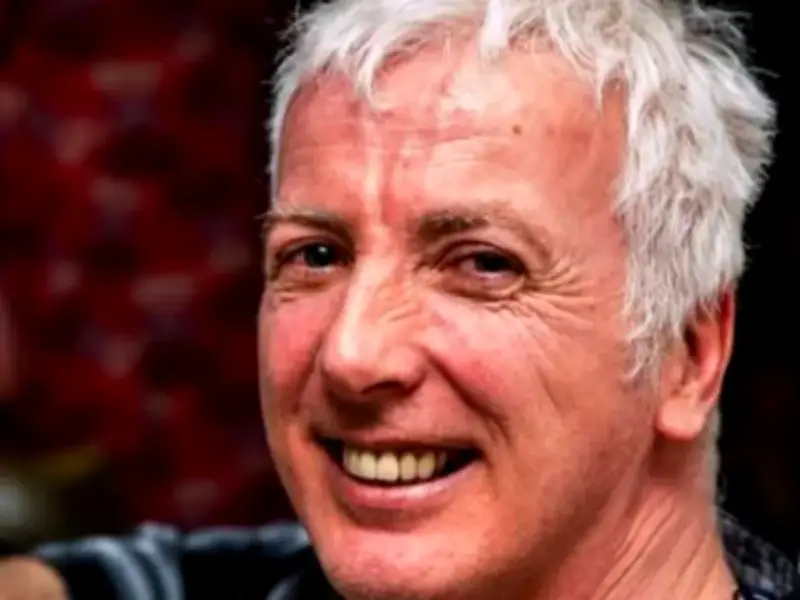
Brian, 55, from East Kilbride, died in December after twice being told an ambulance was not being dispatched. In July, we revealed the two harrowing 999 calls released to his loved ones, in which he was refused paramedics despite saying he is struggling to breathe.
By the time help finally arrived - three-and-a-half hours after his first call - Brian was already dead. A completed SAER into Brian's case found his 999 call was incorrectly logged and help should have been sent straight away and health secretary Angela Constance said the tragedy "should not have happened".
Julie Parker's case sparks review
We told of the family's heartache just weeks after the death of Julie Parker, also 55, in Kilmarnock in June.
She died on her way to hospital after collapsing at the flat where she lived alone with her dog. Police had been called when dog sitter Julie failed to answer the door, with officers forcing entry to the property and calling for paramedics after finding her collapsed in the bathroom - where she is believed to have lay for several days.
But it was almost four hours before help arrived to take her to Crosshouse Hospital. The Scottish Ambulance Service said staff were under "significant pressure" that night due to lengthy hospital turnaround times, while Julie's brother William blames the Scottish Government.
Constance ordered a full review into the circumstances, which were described by First Minister John Swinnney as "profoundly disturbing" last week.
Families seek answers and assurances
Brian's sister Allison, who saw her brother lying dead at his home, had a meeting with ambulance chiefs last week over his case.
She said: "I've been left traumatised and Brian's twin brother still can't speak about it because of the guilt of living beside him, walking past his house that night, asking why didn't he pop in.
"We were left for months waiting for answers over this. There was no after-care. Not one person contacted me and said 'are you ok?' I'm not ok and I'm not sure I ever will be ok after seeing Brian.
"I still don't understand how it all went so wrong that night.
"I've been promised that things are going to change and they have said they will provide evidence of that."
Scottish Labour Health spokesperson Jackie Baillie raised Julie Parker's case at First Minister's Questions last week after the Record detailed the 999 calls made in her case. She accused Swinney of failing to fix long-standing issues with ambulance waiting times in Scotland.
Baillie said of the SAER figures: "It is deeply worrying that the number of these incidents in our ambulance service has risen so sharply.
"Too many Scots are being let down in their hour of need by ambulance services that simply cannot cope.
"The tragic deaths of Julie Parker and Brian Hurton show how high the stakes are.
"We need urgent action to ease the pressure on the Scottish ambulance service, support hardworking staff and ensure Scots get the lifesaving emergency care they need."
A Scottish Ambulance Service spokesman said: "We received more than one million 999 calls in 2025/26 and patients and families tell us our teams provided the highest levels of care. However, we do recognise that there are cases where things can and do go wrong.
"As a learning organisation, we review these events to ensure we can identify learning and take steps to avoid it occurring again. We are committed to engaging with those individuals and families affected by these incidences as part of the process.
"We can confirm we attended a meeting with a family last week as part of our adverse event review and would like to thank them for taking the time to meet with us.
"We appreciate nothing can take away their loss, but we hope the assurances provided to them demonstrate our commitment to learning from this very sad event."