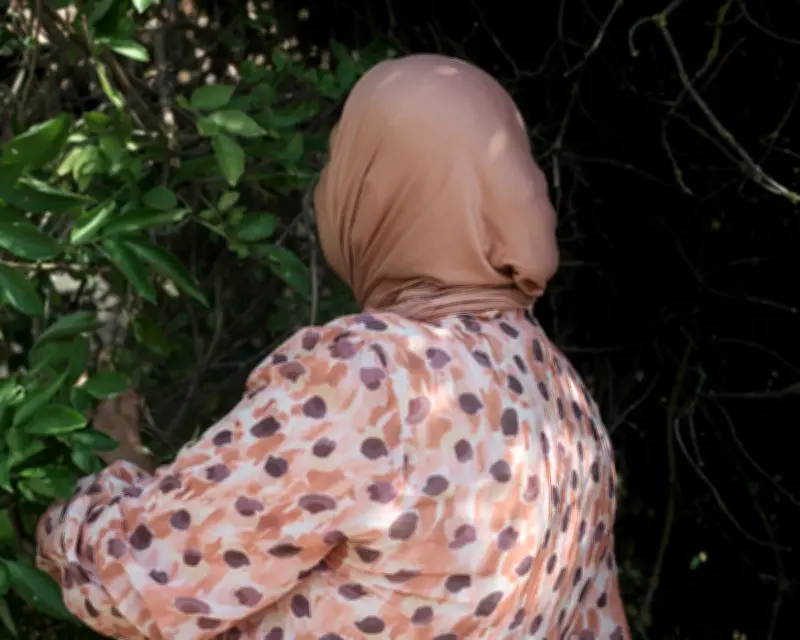
Fatima, a 50-year-old Moroccan national, arrived in Spain in 2020 for seasonal strawberry picking. Her visa was cancelled due to the pandemic, leaving her undocumented. She found work on a farm in Castile and León, where she endured up to 19-hour days, seven days a week, without proper pay or living conditions.
Exploitation and abuse on the farm
Fatima was housed in a shack without heating, with night-time temperatures dropping to -6C. She had no running water, using a hose as a shower and a hole in the ground as a toilet. The farm owners paid her only €300 per month for the first three months, far below the Spanish minimum wage of about €1,425, then stopped paying altogether, citing the cost of securing her residency.
After 18 months, the other Moroccan woman who worked with her left, and Fatima was forced to do all tasks alone. The son of the family began pressuring her for sex and became physically abusive. On one occasion, he ran over her foot with a tractor. She said he told her, "You deserve this."

Threats and isolation
Fatima was allowed to leave the farm only once a fortnight. The family warned her against contacting police, saying any interaction would result in deportation. She kept a hidden mobile phone to call her family in Morocco. She said, "At times I would bang my head against the wall. My thought was that I would either leave here with papers, or dead."
In late 2023, police received a tip-off about a woman being exploited at a sheep farm. Anti-trafficking units from Burgos and Valladolid gathered evidence and intervened, alongside labour inspectors. Fatima was found in appalling conditions, living without electricity.
Rescue and recovery
Since her rescue, the Adoratrices, a Catholic religious order, has supported Fatima, helping her find work and housing. Consuelo, the head of Adoratrices in Burgos, said, "When we met her, she was downcast, quiet and had this sad look on her face… Now she's completely different. She enters a room and lights it up."
Three men have been arrested on suspicion of human trafficking for labour exploitation. A trial is expected in the coming months. Fatima now has legal residency and the right to work in Spain. She hopes to bring her family to join her. "I'm super-proud to have endured that," she said. "Now I'm happy and eager to start a new life and bring my family here to be with me."