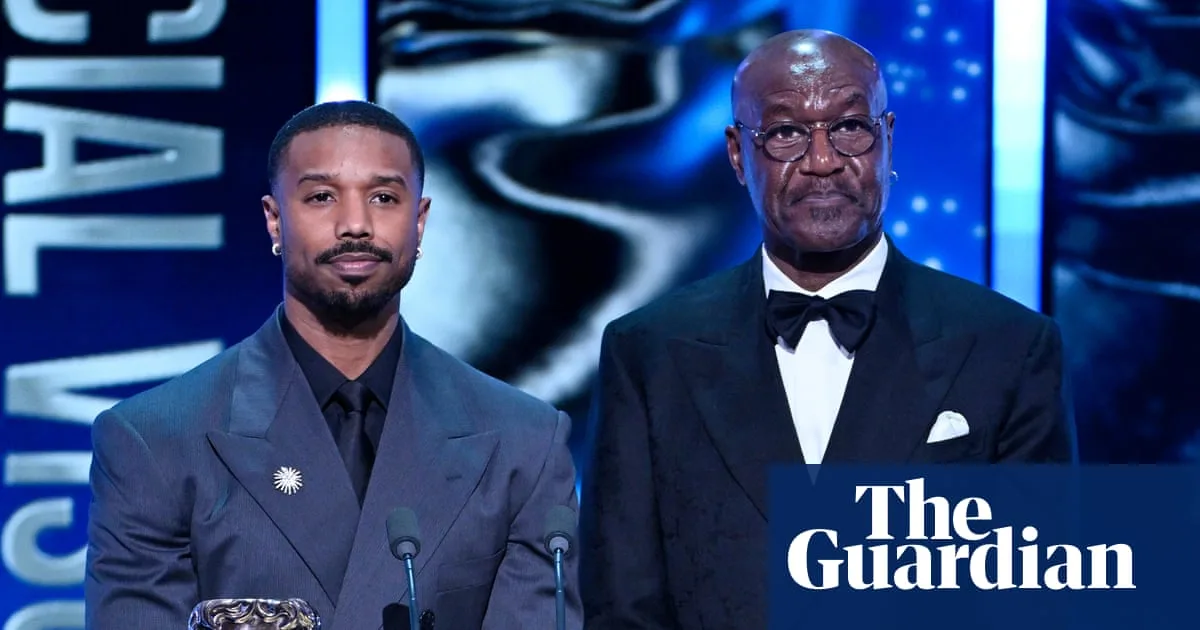
The BBC has announced a fast-track investigation into the broadcasting of a racial slur during its coverage of the Bafta film awards, after Tourette syndrome campaigner John Davidson was heard shouting the N-word while Michael B Jordan and Delroy Lindo presented an award. The corporation described the incident as a 'serious mistake'.
Outgoing director general Tim Davie has instructed the BBC's executive complaints unit to conduct the investigation, amid rising anger inside the corporation over the error. The slur remained on iPlayer for 15 hours before being removed and edited, despite clips circulating on social media.
Culture secretary Lisa Nandy called the broadcast 'completely unacceptable and harmful', and said she had raised the matter with Davie. The Commons culture, media and sport committee has also written to Davie demanding answers, with chair Caroline Dinenage questioning how the slur was broadcast despite a two-hour delay.
A critical breakdown of communication between Bafta, broadcasters in the hall, and producers editing the coverage from a truck appears to be responsible. Producers caught some of Davidson's tics, including another occurrence of the N-word, but confusion over what had been edited out led to the failure.
Davidson, who was at the awards due to the success of his biopic 'I Swear', said he felt 'deeply mortified'. Bafta has announced its own comprehensive review of the show.