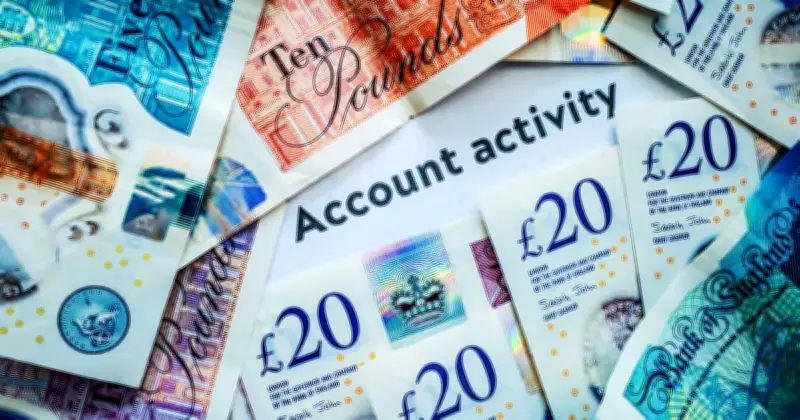
Online bank Monzo has warned customers to be vigilant during the Black Friday sales after some shoppers woke up to an average of £695 missing from their bank accounts. The warning follows data from the National Cyber Security Centre (NCSC) shared by Monzo, which showed shoppers reported losing over £11.5 million to online criminals between November 2023 and January 2024, an average loss of £695 per victim.
Scam tactics to watch for
Monzo urged customers to be aware of fake websites, phishing messages, and made-up offers used by scammers to obtain money or personal details. The bank said: “Scammers create convincing online shops that look like real brands. You pay for something, but it never arrives.” Warning signs include “misspelt web addresses, missing contact details and prices much lower than the real retailer’s.”
On phishing scams, Monzo explained that a message may pretend to be from a retailer or delivery company, asking the recipient to follow a link or share details. Warning signs include “unexpected messages, pressure to act quickly, unusual links or requests for passwords or card details.”
Social media and delivery scams
Social media scams involve adverts that lead to fake shops, where scammers posing as a real retailer take money or card details. Warning signs include “adverts offering well-known brands at unusually low prices, or websites that don’t look quite right.”
Fake delivery messages are another tactic, with texts or emails claiming a missed delivery and asking for a fee to rearrange it. Monzo noted that messages about deliveries not expected, especially those with links asking for payment or personal details, should be treated with caution.
How to protect yourself
Monzo described Black Friday fraud as a scam targeting shoppers during the sales, including fake shops, misleading offers, and messages designed to steal money or personal details. Warning signs include prices much lower than those offered by other retailers, pressure to buy quickly, missing contact details, or a seller insisting on a bank transfer.
The bank advised shoppers to check the seller before paying, read independent reviews, and verify the web address carefully. It also recommended comparing prices with other retailers, keeping passwords and one-time passcodes private, and being cautious if a seller asks for payment by bank transfer or outside a marketplace.