The Home Office is reviewing more than 100 potentially fraudulent asylum applications linked to Apanjon, a Bangladeshi LGBT support organisation based in Whitechapel, east London. Investigators suspect some asylum applicants submitted fabricated documents, staged photographs and false letters of support to claim they would face persecution because of their sexuality if returned to their home countries.
Raids and arrests
Law enforcement officials raided addresses connected to Apanjon following allegations that individuals within the network were charging straight migrants between £1,000 and £4,500 to fabricate evidence for sexuality-based asylum claims. Two men suspected of involvement in the alleged scheme have been arrested following the raids.
Ejel Khan, founder of the Muslim LGBT Network, told the Daily Mail: "It's a massive problem. A lot of people are doing it." He added: "People have offered me money in the past to give them letters of recommendation, even though they have admitted to me that they weren't gay, so I refused."
Rise in claims
Figures show 2,133 asylum seekers whose claims involved sexual orientation were granted protection in 2023, compared with 762 in 2022 and 677 in 2021. The increase was partly attributed to a backlog of applications accumulated during the Covid pandemic. However, critics have also alleged that some lawyers and refugee support organisations are helping applicants exploit the system. Such claims do not establish wrongdoing by those organisations generally.
The current approach follows a landmark Supreme Court ruling in 2010 which rejected the policy of expecting gay asylum seekers to conceal their sexuality to avoid persecution abroad. Theresa May, then Home Secretary, subsequently introduced guidance for assessing asylum claims based on sexual orientation. The policy has helped genuinely gay people escape persecution, while also raising concerns that fraudulent applicants could exploit the protections.
Case examples
In one case, a Bangladeshi asylum seeker identified as MHK claimed he was gay and submitted photographs and supporting testimony linked to Apanjon. However, an immigration judge ruled that the evidence was contrived and the photographs were fake. The decision was upheld on appeal, leaving him without the right to remain in Britain.
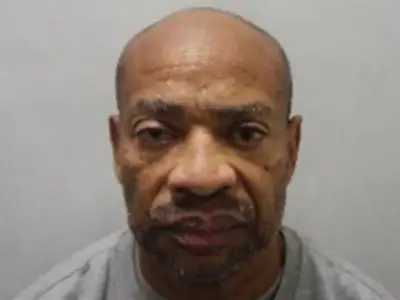
In another case, Saheed Azeez was granted asylum in 2023 after claiming he might be killed for being gay in his native Nigeria. He went on to have three children with three women and run a £220,000 parcel fraud, which later resulted in a jail sentence of more than five years.
LGBT rights campaigner Peter Tatchell said in a statement: "Last year, we spoke out after being overwhelmed by a surge in asylum seekers who we believed to be fake. Safeguarding the integrity of the asylum system is essential to maintaining public trust and, most importantly, to ensuring that real victims of homophobic persecution are not overlooked or refused a safe haven."
The Home Office has said anyone found guilty of wrongdoing in connection with the Apanjon investigation would be removed from the country.