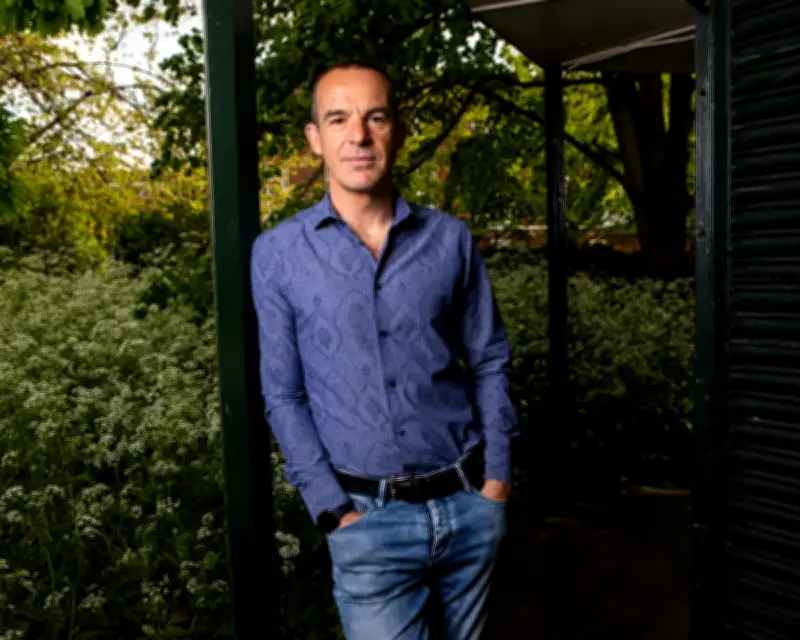
Martin Lewis says he is losing the fight against scammers who use his identity in deepfake adverts
The personal finance expert has described feeling 'frustration, anger and sadness' after an elderly disabled woman lost her life savings to a scam purportedly endorsed by him. 'This is organised crime,' he said. Lewis, who never advertises, has seen his image used in fake investment schemes that have cost victims more than £20m, according to Action Fraud data analysed by MoneySavingExpert (MSE).
Deepfake scams and the scale of the problem
Lewis tops the chart of celebrities used in scam adverts, ahead of Taylor Swift and Elon Musk. MSE has a full-time employee dedicated to handling cases of identity theft. Despite a decade of campaigning, including a defamation settlement with Facebook in 2018 that funded a £3m donation to Citizens Advice, little has changed. The Online Safety Act, which he helped bring about, has not yet been enforced against fraudulent ads.
Government inaction and political criticism
Lewis feels 'completely let down by the entire political classes'. In May, he co-signed an open letter to Keir Starmer with the chief executive of Which? but has received no reply. He criticised Starmer's statement on AI nudification, saying destroying people's lives through scam ads is 'just as destructive' but has been ignored for a decade. 'Absolutely bugger all has been done,' Lewis said, referring to the delay in Ofcom's consultation on fraudulent ads, now scheduled for mid-2025 with final rules expected by mid-2027.
Organised crime and tech platforms' profits
Lewis emphasised that scammers are not petty criminals but 'organised crime' using sophisticated marketing systems. He cited a Reuters report that Meta earned approximately $16bn from illicit advertising in 2024, calling it 'the definition of profiting from harm and abuse'. Meta responded that it had reduced user reports of scams by 58% over 18 months. Lewis wants 'friction advertising' with pre-vetting, big fines, and forced recompense to victims.
Personal encounters with victims
Lewis recounted a conversation with a caretaker who insisted he had invested in a scheme featuring Lewis's image. It took 20 minutes to convince him otherwise. He also noted that the elderly woman who emailed him has not replied to follow-up. Lewis said he feels pressure from the 'despair and utter hopelessness' of victims but refuses to let criminals 'bite into my morality'.
Call for action
Lewis urged the government to implement the Online Safety Act properly, making it cost more to publish scam adverts than they generate. He also suggested that tech platforms should notify everyone who saw a scam advert, similar to a newspaper apology. 'I will not allow these criminals to bite into my morality,' he concluded.