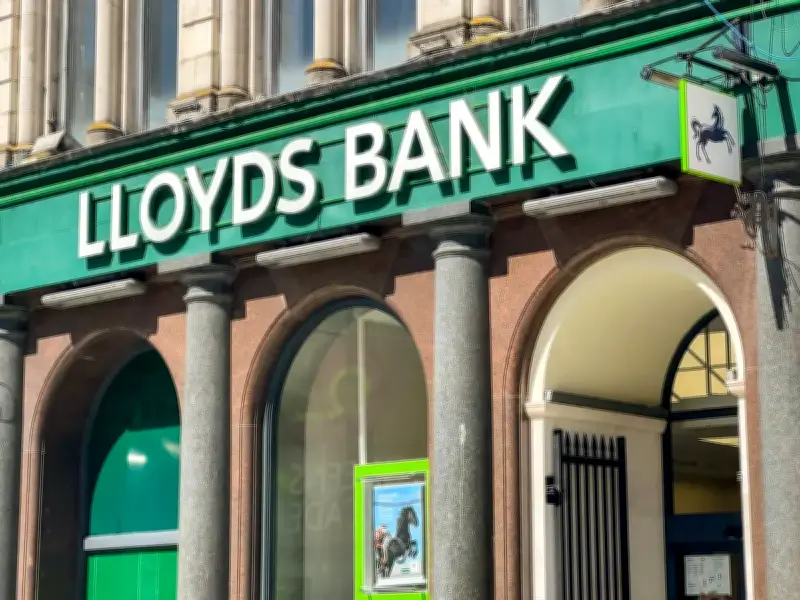
UK bank customers are being urged to stay vigilant following a rise in sophisticated phishing scams that impersonate Lloyds Bank. The fraudulent operation uses panic-inducing text messages to trick recipients into revealing sensitive financial information.
How the scam works
The scam begins with an unexpected text alleging that an unauthorised transaction, often for a specific amount such as £278.91 or £587.65, has been taken from the recipient's account by airline EasyJet. Worried they have been defrauded, victims are prompted to call a "customer service" number supplied in the message or tap a link if they do not recognise the charge.
An example of the scam text reads: "LLOYDS: 478203 is your OTP code for the payment to easyJet.co.uk for GBP £587.65. If you don't recognise this contact us on 03300590012 or +443300590012 (for calls abroad)." People have been discussing the scam message on social media after receiving it themselves.
Victim reports and warning signs
On Facebook, one user called Paul posted a warning to others, writing: "Just got a message from Lloyd's Bank saying a payment for £278.91 to easy jet was made. If this wasn't you, please call 03333 050938." He added: "Didn't call that number, I called the bank, and it was a scammer.... So be careful peeps... Bank said don't ever call them... You did the right thing calling us."
These numbers and links are entirely fraudulent. Rather than connecting victims to their bank, they put them straight through to scammers who use high-pressure tactics to extract online banking credentials, PINs, and personal details.
Industry watchdogs have flagged several key warning signs that expose the messages as fake. Genuine communications from Lloyds Bank typically address the customer by name or include partial card details, whereas these scam texts rely on generic greetings. The contact numbers provided bear no resemblance to official banking channels.
What to do if you receive a scam text
Should you receive such a text, authorities strongly advise against engaging with it. Do not reply, click any embedded links, or ring the listed phone number. Instead, independently verify your account status by logging into the official Lloyds Bank mobile app or by checking a trusted paper statement.
Anyone who suspects they have been targeted should forward the dodgy text to 7726, the UK's free network reporting service. Those who believe they may have unwittingly handed over their financial details should contact Lloyds Bank without delay, either by ringing the number on the back of their debit card or by dialling the secure 159 hotline to protect their funds.
Separate Lloyds impersonation warning
This comes as a further scam warning has been issued regarding a separate text message that also poses as Lloyds Bank. The messages claim an unrecognised payment or Direct Debit has been put on hold, urging recipients to take immediate action by replying or ringing a phone number.
A statement on the bank's website reads: "We'll always include your name, and the last four digits of an account you have with us, so you know our emails are genuine. We may also send you links to our secure app, to take you straight to the information you need."
Lloyds says it will never: send you to a web page that asks for your logon, personal or banking details; tell you to move money to another account; ask you to make a test payment online; or link directly to its Internet Banking log on page. The bank adds: "If you're not sure that an email is from us, forward it to emailscams@lloydsbanking.com and delete it. You can also speak to us through the Mobile Banking app or Internet Banking."