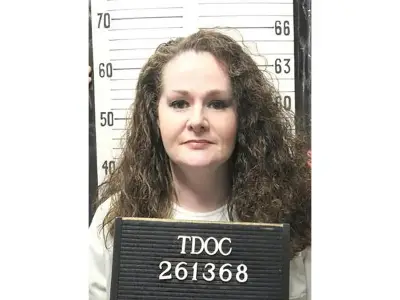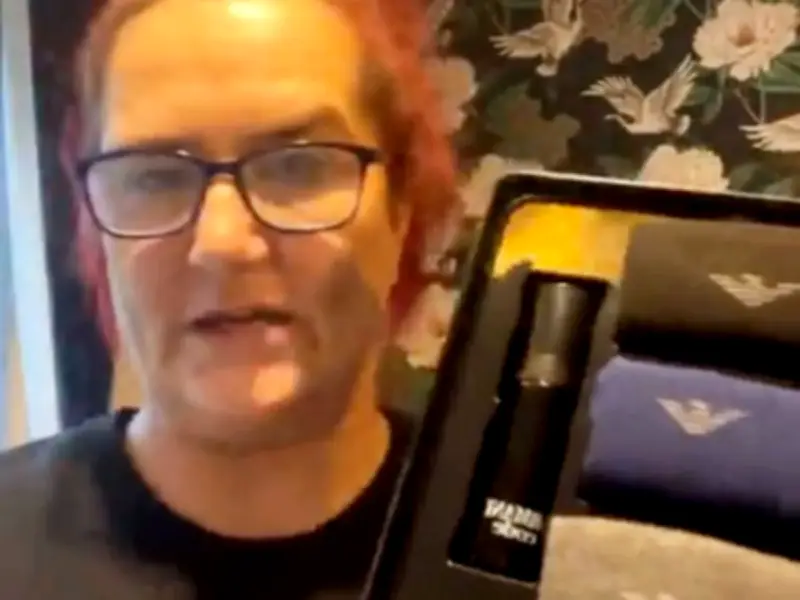
A Lancashire mother has been jailed for making nearly £500,000 selling counterfeit designer clothing online. Barbara Murphy sold the fake goods at about half their genuine retail price, using Facebook as her own personal "shopping channel".
Court hears details of counterfeit operation
Preston Crown Court heard how the 49-year-old traded in replica merchandise from brands including Moncler, Armani and Gucci. Her stock included 397 pairs of Nike trainers and 179 pairs of Ugg boots, all priced at levels that were "too good to be true", with clothes she bought from Manchester's Cheetham Hill area - previously known as 'Counterfeit Street'.
The mother-of-two ran her business via a Facebook profile named 'Barbie Murphy' from her Skelmersdale home between 2021 and 2025.
Items sold included jewellery and football shirts
Murphy's offerings included imitation Louis Vuitton and Cartier jewellery, Jo Malone fragrance collections, and unauthorised Premier League football shirts, such as Liverpool FC strips. The court was told that had the merchandise been authentic and sold through official brand channels, the stock could have potentially generated about £1.5 million.
Murphy received a prison sentence of four years and four months on October 8. Recorder John Richard Jones Jones K.C. said: "You knew the items you were selling were counterfeit, but you did not make that known.
"If you had made it known they were counterfeit goods, they (customers) may not have been deceived. You pleaded guilty to fraudulent trading and in fraud, dishonesty is the component part. The dishonest aspect is the way the goods were put up for sale and then sold."
The products were described as "professionally represented" and comparable to those on a "QVC channel", though the trademark holders were themselves "victims" of Murphy's conduct.
Trading Standards investigation
Prosecutor Mr David Traynor told the court that Trading Standards first discovered Murphy's offending in December 2021 after being alerted to a Facebook page called 'Barbie Murphy'. He said: "The prices charged suggested that the items being sold were counterfeit. Otherwise, the page gave no indication that the items were not genuine."
Companies House records show Murphy set up an incorporated retail venture under the same name in 2021, working alongside her 23-year-old son, Leo Tucker. After a referral from Lancashire Police in March 2022, when she was stopped by officers driving a vehicle containing "counterfeit items", a Trading Standards officer sent Murphy a letter that "warned" her against selling counterfeit items.
By 2023, the 'Barbie Murphy' Facebook page remained "operating unchanged", Mr Traynor said. Twelve months earlier, Leo had stepped down from Barbies Boutique, leaving Murphy as the sole director.
Investigators also established she had been live-streaming sales of various products, using Facebook as a "shopping channel". Customers would communicate in real time to submit their purchases.
Seizure and conviction
Between May 2023 and February 2024, an official inquiry began after a Trading Standards officer bought multiple products from the same Facebook page. On February 22, 2024, a warrant to enter Murphy's address was issued. Images show countless boxes crammed with counterfeit garments. The court was told that 1,134 items - valued at £45,000 - bearing "unauthorised copies of registered trade marks" were confiscated, including 397 pairs of Nike trainers and 179 pairs of Ugg boots.
Once the goods were verified as fake, Murphy told her 12,000 followers she would shut down the account as it had become "too risky", but she had actually moved her operations to WhatsApp and Telegram. In June 2024, Barbies Boutique LTD was dissolved, yet she continued trading until June 2025.
The court heard Murphy benefited £492,379.61 from her activities. She pleaded guilty to one count of fraudulent trading.
Background and sentence
While the exact figure remains unclear, it is believed more than 11,000 transactions occurred during Murphy's trading period. Mitigating counsel Mr Alastair Reid told the court Murphy had initially run a "successful business" selling "legitimate" children's clothes online and through a market stall, but the Covid-19 pandemic forced its closure. Mr Reid said this was when she became "aware" of the opportunity to sell counterfeit goods. Murphy was provided clothes by merchants in the Cheetham Hill area of Manchester, the court was told.
In one example, Mr Reid outlined how if a trainer was £45, Murphy would keep £10 and send back £35. He described the business as "very popular", adding that "a lot of money passed through her bank account".
The court heard that had Murphy been asked if the products were faked, she would have admitted to them being "counterfeit". Mr Reid further argued that even though it was never implied the goods were fake, the "prices were too good to be true". He explained the only reason Murphy continued trading was to pay off "debt" she owed to suppliers that she felt "intimidated" by.
Murphy had one prior conviction for dishonesty after she took a friend's phone and used it to buy drugs. Mr Reid said Murphy knew what she was doing was "wrong". Murphy is currently on state benefits and in council accommodation before being jailed. She was also handed a confiscation order, ordered to pay a victim surcharge, and told that the seized items would be destroyed.