Fuel theft in the UK has soared by 20% since the start of the Iran war, with nearly £200,000 worth of petrol and diesel now being stolen from forecourts every day. The sharp increase occurred during the five months following the start of Donald Trump’s military action on February 28, compared with the preceding five-month period.
Value of stolen fuel rises 48%
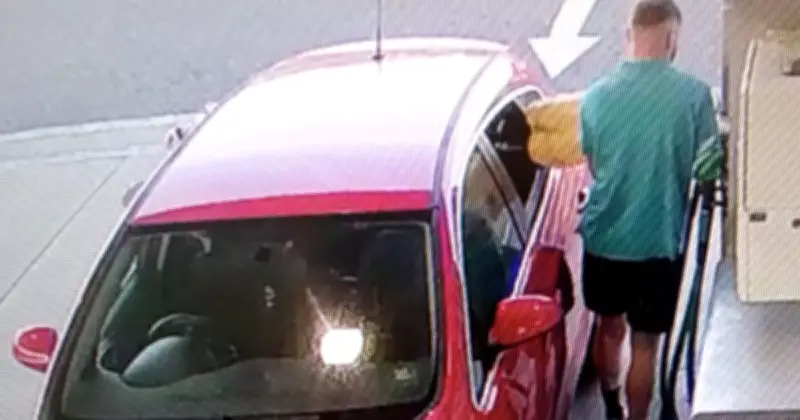
The value of the stolen fuel increased by 48% as pump prices rose due to the disruption of global energy markets. The incidents include both deliberate drive-offs and cases where motorists claim they are unable to pay after filling their vehicle.
In increasing numbers of cases, cloned ‘ghost’ number plates are also being used, meaning retailers have no way of tracking the thieves – or an unsuspecting motorist whose car has been cloned gets landed with a bill.

Figures from Forecourt Eye
Fuel theft prevention company Forecourt Eye crunched the numbers to discover that drivers have taken an average of £194,000 of petrol and diesel without payment each day since the start of the Iran conflict. The figures suggest fuel theft is becoming a bigger cost for forecourts at the same time as many are facing higher operating costs, tighter margins and more customer frustration over prices they do not directly control.
The firm says the issue was already growing before the latest fuel price pressures exacerbated the problem. The RAC Foundation reported that forecourt owners attempted to trace offenders over 66,378 fuel theft incidents between February and April 2025, up by 49% from the same period a year earlier.
Insurance expert warns of commercial risk
Craig Morgan, insurance expert at SJL Insurance Services, said: “Fuel theft can sometimes be dismissed as a low-level crime, but for independent forecourts it can quickly become a serious commercial problem. When a business is losing fuel several times a week, the cost is not limited to the petrol or diesel taken. There can also be staff safety concerns, damage to pumps or property, disruption on the forecourt and time spent reporting incidents or trying to recover losses.
“The latest figures are particularly concerning because they come during a period of higher fuel prices linked to disruption in global energy markets. The vast majority of motorists continue to pay honestly, but repeated theft creates a cost that small businesses cannot simply absorb forever. In some cases, those losses may eventually be reflected in tighter payment rules, increased security measures or higher costs for honest customers.”
Why forecourts are being warned to act now
For forecourt owners, fuel theft is not always a simple case of one lost transaction. A single incident can create several knock-on risks, especially if a driver becomes aggressive, damages equipment or leaves the site in a dangerous way.
Higher pump prices can also make the financial impact of each incident larger. Even if the number of thefts increases only slightly, the amount lost can rise sharply when petrol and diesel prices climb. Industry bodies have also warned against treating fuel theft as an understandable response to financial pressure. Drive-offs remain a criminal offence, and repeated losses can put more strain on legitimate businesses and the customers who use them.
What forecourt owners should review
Craig added: “The first step is making sure staff know exactly what to do when an incident happens. Employees should not be expected to chase or confront a driver, particularly if there is any risk of aggression. A clear process for recording details, preserving CCTV and escalating the incident is much safer and more useful from an insurance perspective.
“Forecourts should also review whether their current payment procedures are still suitable. For some sites, that may mean looking again at pay-at-pump, pre-authorisation, clearer no-means-of-payment processes or extra checks at higher-risk times of day.
“From an insurance point of view, the evidence trail matters. If a business needs to make a claim or review its cover, insurers will want to understand what happened, what evidence is available and what reasonable steps were already in place to reduce repeat incidents.”

Five practical steps for forecourt operators
- Keep CCTV clear and well maintained: cameras should cover pumps, number plates, entrances, exits and payment areas.
- Record every incident: log the time, pump number, vehicle details, value of fuel taken and any staff observations as soon as possible.
- Protect staff first: make sure employees know not to put themselves at risk by confronting drivers.
- Review payment procedures: consider whether pay-at-pump, pre-authorisation or tighter payment checks are needed for higher-risk sites.
- Check the policy detail: review whether theft, damage, business interruption and staff safety risks are properly reflected in current insurance cover.