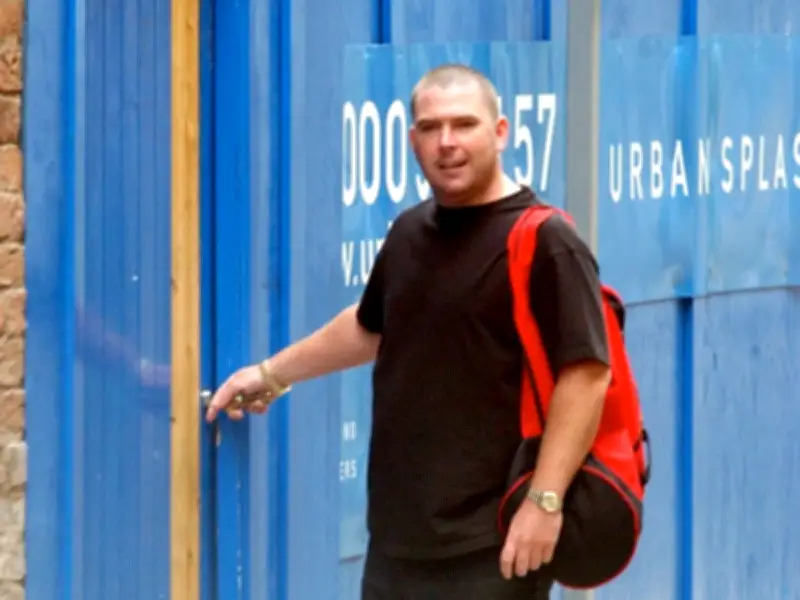
Former Brookside actor Philip Foster has been jailed for nine years after being extradited from Spain for his role in a £13.6M modelling scam. The 51-year-old, who played villain Christian Wright in the Liverpool soap, was sentenced in his absence in February 2025 for fraud and money laundering, but had fled to Spain before his trial.
Extradition and sentencing
Foster was extradited last month and appeared via videolink from HMP Doncaster at Sheffield Crown Court on Friday, where he was jailed for a further six months for attempting to evade justice. During the hearing, defending barrister Anthony Barraclough told the court that Foster’s wife had died from cancer and his son Michael was murdered around Christmas last year.
“The Spanish have imposed a blanket of secrecy in relation to that. He has had a great deal going on, of a terrible nature, but he is nevertheless an absconder,” Barraclough said.
Judge's criticism
Judge David Dixon told Foster that his co-accused had come to court to be sentenced previously. “You were a coward, you decided to hide and didn’t come and face the music,” he said. The judge noted that Foster purchased designer watches, was photographed on yachts and bought his daughter a Porsche, demonstrating “you were living a lifestyle based on the income from this illegal scheme”.
The scam operation
Foster led a fraudulent operation involving a network of sham modelling agencies that exploited aspiring young models and their parents for more than eight years. A National Trading Standards (NTS) investigation found that more than 6,000 victims handed over large sums on the false promise of securing paid modelling work in the fraud that he ran from Spain.
His network ran sham agencies and studios in cities including London, Manchester, Leeds, Bristol, Coventry and Nottingham, uncovered after a six-year NTS investigation. Victims were duped into thinking a model agency was interested in them, with emails telling them they had potential after responding to social media advertising campaigns.
An invitation to get a “free” test shoot at the photographic studio was used to try to extort money, according to NTS. Victims were handed glossy brochures, told that other people like them had been successful and that they had passed their studio test, but they would need to buy a photographic portfolio for the modelling agencies interested in them.
They were told they had to buy their portfolio photographs from the studio to join an agency and become an agency model. Some used credit deals arranged by the fraudsters or expensive payday loans to make the upfront payment. In return, victims received poor quality digital photographs that stood no real chance of landing them professional jobs, and most did not get paid modelling work.