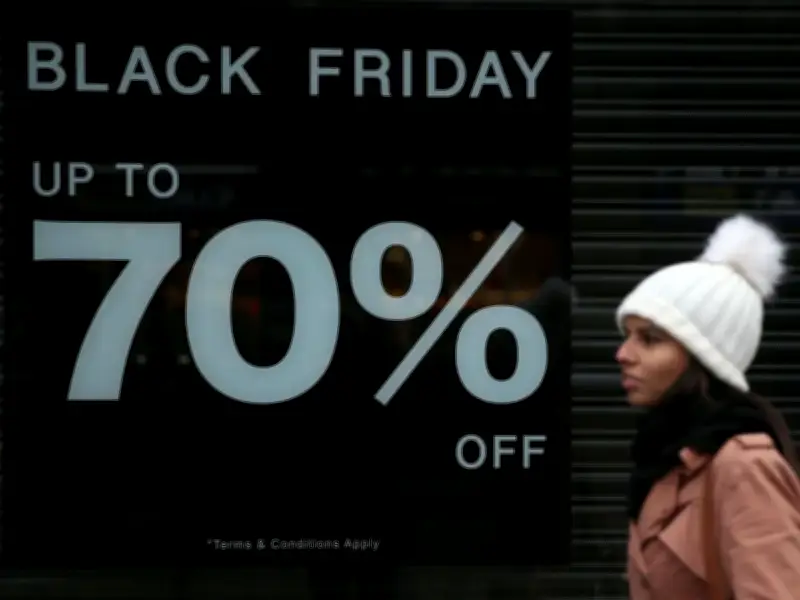
Barclays has warned that Black Friday online shoppers could be missing crucial warning signs of fraud because many are multitasking while making purchases. A fifth (21%) of people surveyed on behalf of the bank admitted to shopping online while simultaneously doing something else, such as watching television.
Distracted shoppers and scam risks
The bank said distracted shoppers risk overlooking telltale signs of a scam, such as a misspelt web address or a deal that appears too good to be true. A third (34%) of respondents have either been targeted by, lost money to, or know someone who has fallen victim to a shopping scam, according to the findings.
Just one in 10 (10%) of those surveyed said they are confident they will not be caught out by a Black Friday or Cyber Monday scam. Yet only around a third (36%) said they would verify whether a website is legitimate before going ahead with a purchase.
AI making scams harder to detect
Three-quarters (76%) of shoppers also believe that advances in artificial intelligence have made scams increasingly convincing. Shoppers say AI is making fake reviews (44%) and fake retailer websites (43%) harder to detect. Only around a third (34%) of people feel confident they could identify an AI-generated scam while shopping online.
Black Friday falls on November 27, though many retailers begin offering discounts in the weeks beforehand.
Kirsty Adams, a fraud and scams expert at Barclays, said: "Black Friday is a great time to grab a bargain, and most of us know scams are out there. But when you're scrolling on the sofa and a countdown timer starts ticking, or a deal pops up in your feed from an account that looks just like a brand you trust, it's easy to get swept up and pay before you've had a chance to check. No deal is worth rushing for. So take a moment before you buy. Go to the retailer's own website or app, and never pay by bank transfer to someone you don't know."
Expert warnings on impersonation
Opinium Research surveyed 2,000 people across the UK in October. Dr Rasha Kassem, senior academic and leader of the Fraud Research Group at Aston University, said: "Consumers must remember that even familiar brands can be impersonated. Advances in artificial intelligence have made it easier for criminals to create highly convincing copies of legitimate retail websites, complete with professional designs, logos and fabricated customer reviews."
Phil Cotter, CEO at SmartSearch, warned that fraudulent schemes are growing ever more persuasive, adding: "Poor spelling and dodgy-looking websites are no longer the giveaway they once were, particularly with AI helping criminals create more polished and believable content." He said: "The merchandise is often advertised at irresistible prices, but once you've handed over your money, the website disappears, the goods never arrive, and your card details may have been harvested along the way. If a deal looks too good to be true, it probably is. And before entering any payment details, check the web address carefully and make sure you're buying from the genuine retailer."
Mr Cotter also urged shoppers to remain vigilant against fraudulent messages alleging there is an issue with an order, which contain links designed to harvest personal and financial information. He said: "Others create urgency by claiming an account has been suspended or a payment needs verifying." Mr Cotter further cautioned against scams operating through online marketplaces and social media platforms, adding: "Always check the retailer's official website rather than buying through an unfamiliar advert and never agree to pay outside a platform's recognised payment system."