A Florida family has warned of a cruel scam in which fraudsters used AI-generated images to extort money from them after their dog went missing. The Cousens family, who live in Florida, say scammers tried to swindle them out of $2,800 (£2,100) by making it appear as though their pet had been hit by a car and needed emergency surgery.
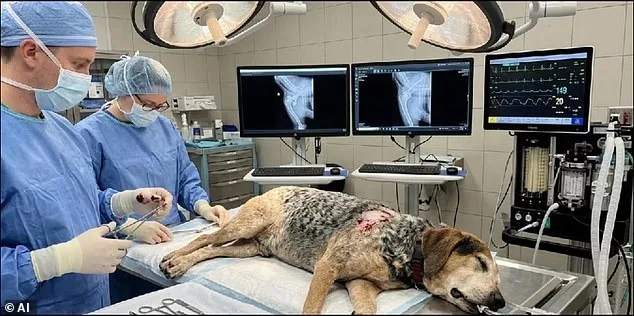
The ordeal began when Archer, a Beagle mix, escaped from the family's back garden earlier this month. The family posted a photo of their pet on Facebook, asking for help to bring him home. Shortly afterwards, they received a call from someone claiming the dog had been hit by a car and needed emergency surgery, demanding thousands of dollars to cover the cost and sending photos of Archer on an operating table in a veterinary clinic.
However, a closer look at the photos revealed concerning discrepancies – including X-ray images dated to 2022 and irregularities in Archer's fur. 'This isn't Archer,' said Bill Cosens. 'This is AI. It isn't obvious when you're distraught.' Further investigations revealed the address provided for the veterinary clinic was in fact Deltona City Hall, which further raised the family's suspicions.
Eventually, a neighbour tracked down the dog to a nearby location and Archer was returned safely home. He was unharmed but 'physically, emotionally and mentally just worn out'. Mr Cosens said he was aware of reward-seeking scams for missing pets but this particular tactic felt especially cruel. 'I've heard of people saying we got your dog we want a reward for returning him, but to tell us he's injured and needs surgery…this is pretty low,' he said.
The scam is thought to be part of a growing trend in which criminals search for posts about lost pets on social media to find vulnerable owners. They then take the pictures and use AI to create fake images, usually showing the animal injured or at an emergency vet, to pressure people into paying quickly. The Volusia County Sheriff's Office is investigating this case.
Thomas Sinicki, a scam protection expert from NordProtect, advises people to be sceptical of any messages received from unknown numbers – especially when they create a sense of urgency around quick payment. He also suggests taking a breath and verifying information through a separate channel – for example by calling a veterinary practice directly. 'In our new reality, you can no longer trust your eyes or ears,' he told Popular Science. 'Treat any photo, video, or audio clip in an unsolicited message as potentially fake.'