At least 273 people are dead and more than 1,300 missing after a torrent of flash floods and mud swept through communities in Nepal following a glacier collapse. Rescue teams are searching for hundreds of missing people, with buildings and bridges swept away as the deluge carved through the region.
Britons among the missing
The death toll includes 33 British people, among them a 13-year-old girl and a 14-year-old boy. Nepal's Tourism Board says 517 of those missing are foreign nationals, including 178 from India, some of whom were on a sacred Hindu pilgrimage.
Rescuers have found bodies hundreds of kilometres downstream from the disaster district, and dozens of injured people have been transported to Kathmandu for advanced medical care.

A history of tragedy
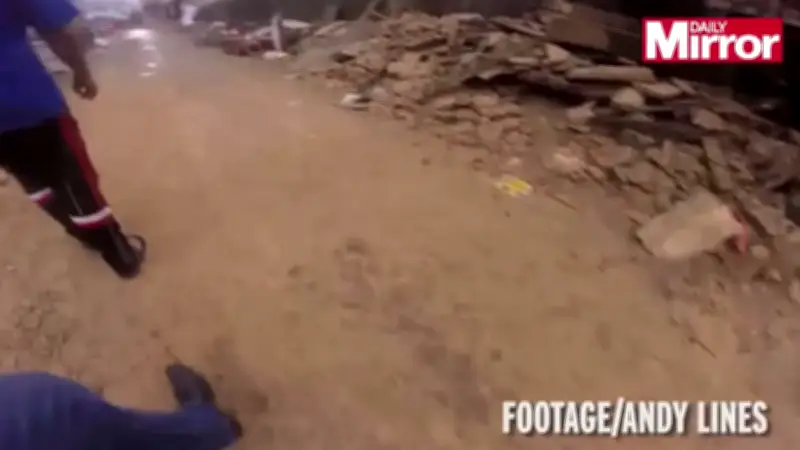
This is far from the first time the mountain nation has faced tragedy on such a devastating scale. In 2015, a horrendous earthquake killed 9,000 people, leaving entire neighbourhoods in ruins and destroying buildings and bridges in scenes chillingly similar to those seen this week.
A journalist who covered the 2015 quake said he messaged his local fixers after news of the flash floods broke. He did not hear from them for hours and grew increasingly worried until they marked themselves as “safe” on a Facebook page. One friend, Adhikhari, later messaged on WhatsApp: “We have relatives in that region and we have not heard from them yet. We just pray they are ok.”
Remote villages hit hard
The village of Soley in Nuwakot, with about 25 houses, has been virtually wiped out in the flooding. Nirajan Paudyal, a Kathmandu-based journalist whose parents and other relatives live there, travelled to the area on Thursday for news of his family. “There is no update till now. I fear there won't be any update,” Paudyal said.
Nepalese officials said dozens of bridges have been destroyed and nearly 25 miles of roads damaged. Some of the regions hit are quite remote, and while transport infrastructure has improved in recent years, it remains limited.
Memories of 2015
The journalist recalled being caught in a second quake three days after the 2015 earthquake and being forced to flee to safety. He watched dozens of funerals in the capital as bodies were cremated on open log pyres beside the sacred Bagmati River at the historic Pashupatinath Temple, with ashes swept into the river.
He particularly remembered meeting a mother, Chandra Kumari, who with her husband Bhakta had dug the lifeless body of their 18-month-old daughter Sapana from the ruins of their house. She said: “She was sleeping in the next room but I just could not get to her to save her when the earthquake struck. She was born here but I never expected her to die here.”
The Nepalese people will react to this latest tragedy with typical bravery and stoicism, but the death toll is feared to rise dramatically. The country has a relatively new Prime Minister, Balendra Shah, elected in March at age 36, and this will be a stern test of his leadership.