Bed bugs, often considered a household nuisance, are now being studied for their potential role in forensic science. New research from The Science University of Malaysia suggests that these blood-sucking insects can retain human DNA in their gut for up to 45 days after feeding. In some cases, the retained DNA was sufficient to identify characteristics such as hair, skin and eye colour, offering investigators a new way to link suspects to crime scenes.
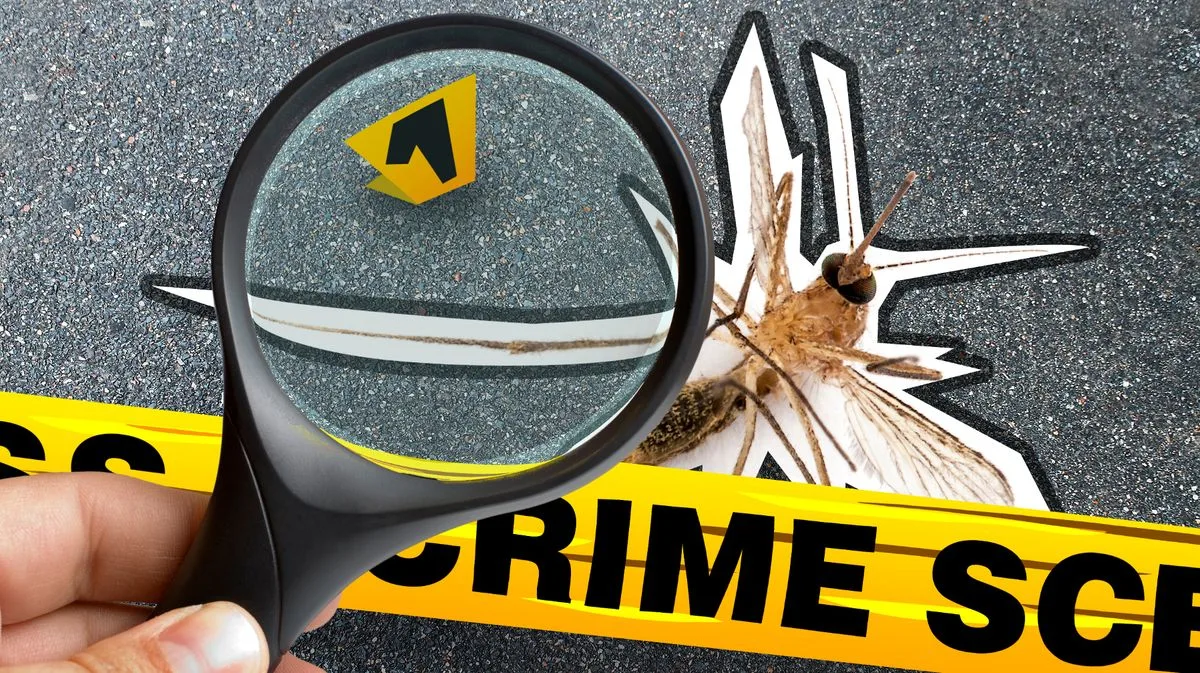
Mosquitoes also serve as silent witnesses: when they feed, they store a tiny amount of blood that can be analysed for DNA. Advances in testing mean even minuscule samples can yield a profile. Meanwhile, maggots have long been used to estimate time of death by studying their life cycle stages on decomposing bodies. Forensic entomologists work alongside pathologists to determine the post-mortem interval.
Notable cases have demonstrated the power of insect evidence. In the 1935 ‘Jigsaw Murders’ in Scotland, bluebottle maggots on the victims helped establish a timeline that led to the conviction of Dr Buck Ruxton. More recently, insect remains played a role in convicting American mass murderer Vincent Edward Brothers. While bed bug DNA evidence is not yet admissible in court, police hope it may one day help build offender profiles from insects present at crime scenes.