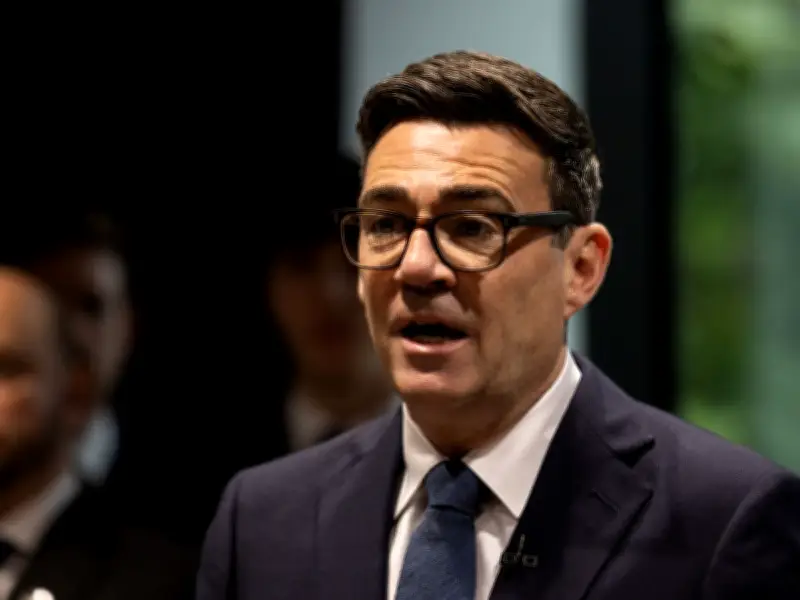
Northumberland county councillors have expressed concern that the local authority could see a significant drop in income if the government replaces council tax with a flat property-based tax. Reports have suggested that new Prime Minister Andy Burnham might introduce a 0.48% tax based on property values, but Downing Street has since stated that the Prime Minister is not actively considering such a change.
Background on council tax reform calls
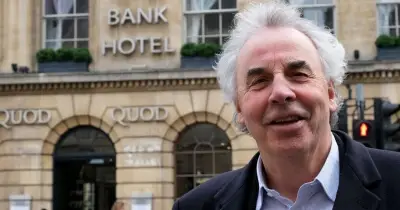
North East leaders have been calling for a 'fairer deal' for the region, with Hartlepool Labour MP Jonathan Brash among the most vocal critics of the current system. He has pointed out that band A homes in his constituency are charged nearly 2.5 times more than equivalent properties in Westminster.
At a meeting of Northumberland County Council's audit committee on Wednesday, members discussed how the proposed change could affect the area. While many residents might benefit from a lower tax bill, there was concern that the council's funding could be reduced.

Councillor and officer comments
Conservative councillor Mark Swinburn said: "With the recent change in Prime Minister, there has been discussions and rumour about a potential change to council tax and that it could become a property valuation based on 0.48% of property value. If that does change, there will be a considerable number of people across the North East who would benefit from that. However, the council is funded from the council tax system, and although individuals would benefit from a potential change, that would result in a considerable drop in income at the council."
Cabinet member for finance Coun Nick Oliver praised Mr Brash's work but said the council would push back against any proposals that reduce its income. He noted that the government expects the council's finances to rise by £102 million in three years, with about 80% coming from council tax rises. He added: "My guess is that the Government would be mindful of the fact that whatever changes it would make to the system and any reduction in their contribution and any onus put onto a local authority would make that 80% higher - that would be a political decision that they would have to make. I can't second guess what the Government might do on that. We obviously would respond in the strongest terms if there was any attempt to reduce the council's funding."
Finance head on uncertainties
Jon Ritchie, the council's head of finance, suggested that any new system would have to work similarly to business rates, where money is collected locally and some is retained while the rest is redistributed nationally. However, he stressed that there were "too many unknowns" and no detailed modelling was being done at the council.
He said: "For a system that has been in since 1993, this would be a fundamental change to the funding. We're not doing any detailed modelling because we don't know any more than what is being talked about in the press. One thing to note is of the current system for business rates. Councils are topped off so they're not any worse-off. I think there would have to be some restructuring of the system, but there is too any unknowns. The current three-year settlement is predicated on the current system. Until we get any new assumptions, we can assume what happens but we're not doing any detailed work because there's too many unknowns."