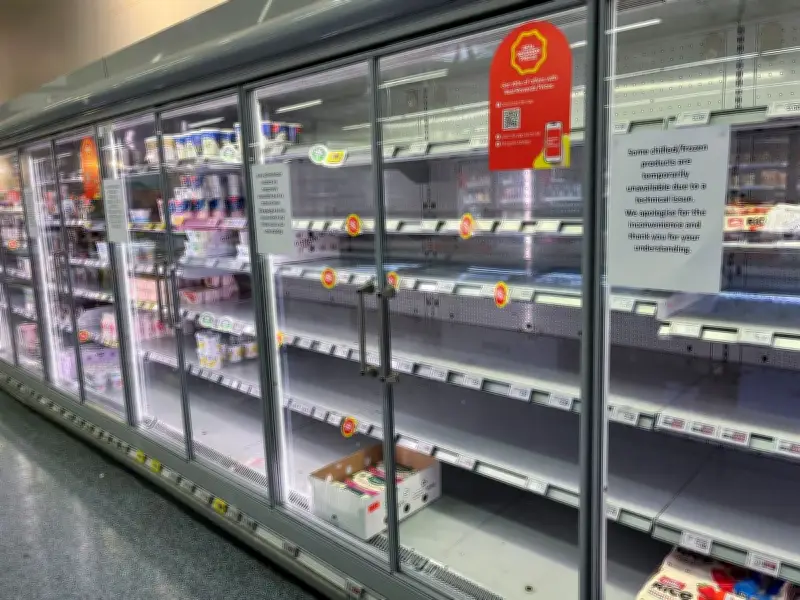
British cyber security chiefs are on alert after hackers remotely accessed supermarket fridges and freezers in several European countries, raising temperatures to as high as 55C and ruining millions of euros worth of food. The National Cyber Security Centre (NCSC) said it is working with international partners and industry to fully understand the details of the incident.
This is the second time in as many weeks that retailers' refrigeration systems have been targeted, raising concerns about security gaps. EU agriculture and food commissioner Christophe Hansen called the hack a "deliberate attempt to disrupt our food supply chain".
No signs of UK retailers targeted yet
There are no signs that UK retailers are in the hackers' sights at this stage. However, an NCSC spokesperson said: "The NCSC is working with its international partners and industry to fully understand details of an incident."
The government is already working closely with the food industry to boost vigilance, including meetings with senior representatives from the sector. This follows a series of cyber attacks on UK retailers, including online fashion giant ASOS and Marks & Spencer, which was targeted last year, forcing it to suspend online orders.
Impact on European supermarkets
Dozens of supermarkets across seven European countries were hit. SuperValu, Ireland's third largest supermarket chain, said refrigeration systems in 13 of its 223 stores were affected. The retailer later confirmed that the issues had been resolved and that replenishment of chilled and frozen ranges was under way.
Around 40 Delhaize supermarkets in Belgium and Luxembourg were also affected, along with a smaller number of shops in Sweden, the Netherlands, Estonia and Finland. Stephan Moelans, boss of Sabcobel, which operates Delhaize's systems, said hackers had targeted the defrost mode of freezers, in some cases due to unsafe internet connections. He added: "The simplest solution is to manage the fridges over a secure internet connection."
The latest incident follows another last month in which attackers remotely took control of refrigeration systems in hundreds of supermarkets and independent stores across France, sending temperatures soaring. The breach raises concerns about the potential for hackers to gain access to other forms of critical infrastructure.