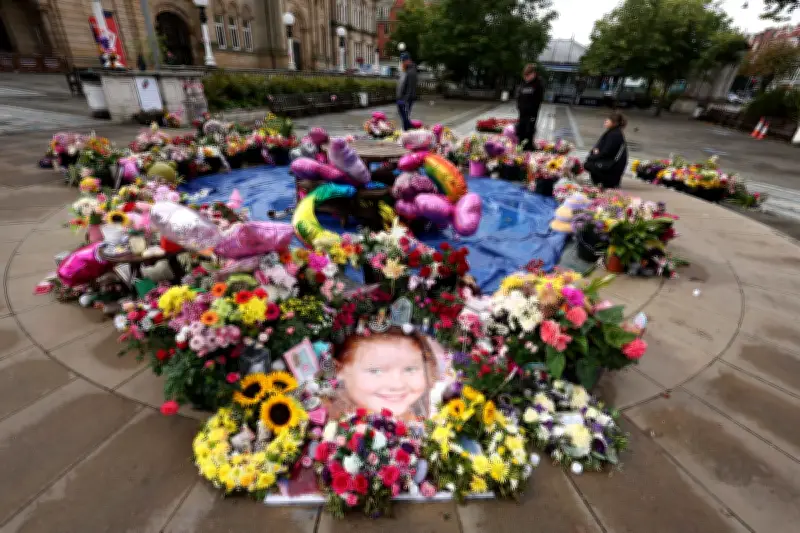
Families of the three girls murdered in the Southport attack have demanded that individuals who failed in their duties must lose their jobs, following the government's acceptance of all recommendations from the public inquiry into the killings. Home Secretary Shabana Mahmood vowed to do “whatever is needed to protect the public” and to “right the wrongs” identified by the inquiry.
Inquiry finds failures across public services
The first phase of the Southport Inquiry, chaired by Sir Adrian Fulford, concluded that the murders of Alice da Silva Aguiar, nine, Bebe King, six, and Elsie Dot Stancombe, seven, “could and should have been prevented.” The attack occurred in July 2024 when Axel Rudakubana, then 17, attacked a dance class in the seaside town. Sir Adrian found a “fundamental failure” by any organisation or multi-agency arrangement to take ownership of the risk Rudakubana posed in the years leading up to the attack.
Chris Walker, director of serious injury at law firm Bond Turner, speaking on behalf of the three bereaved families, said the government response showed “significant progress” in areas such as planning for mass casualty attacks and non-ideological violence. However, he added: “Important questions remain around legal duties to report known threats and how accountability for institutional and individual failings will be secured. There are several individuals whose actions fell short of expected professional standards and, had different decisions been made, we may not be where we are today.”
Families demand firings and concrete action
Walker emphasised that the families believe accountability must extend to those who failed. “The government has been clear that the ‘missed opportunities’ identified were unacceptable. The families and I firmly believe that, alongside action and legal reform to prevent this kind of attack from ever happening again, there must also be accountability for those who failed to act appropriately. Those individuals who failed the most must lose their jobs. Otherwise, the public will have no confidence that an atrocity like this will be prevented from occurring again,” he said.
Nicola Ryan-Donnelly, of Fletchers Solicitors, which represents the families of 22 survivors, said: “Our clients are pleased that the government have accepted all the recommendations outlined by the inquiry chair, but the parents of these girls are yet to see hard evidence of any real change. The families affected by this tragedy need to see firm timelines and detailed plans around how changes will be implemented, and how their impact will be measured.”
Government response and next phase of inquiry
Home Secretary Shabana Mahmood said on Thursday: “The Southport Inquiry identified fundamental failings, across many of our public services, in the years leading up to July 2024. These devastating failures led to the senseless killing of three young girls and violent attacks on others. My thoughts today are first and foremost with the families and friends of Bebe, Elsie and Alice and all the victims of that awful day. We owe it to them to right these wrongs. For that reason, we have accepted Sir Adrian’s recommendations for central government in full. My department will now drive this work across government, with the urgency it deserves. We will do whatever is needed to protect the public.”
The second phase of the inquiry, due to open next week before resuming in September, will examine whether public bodies are adequately tackling the risk posed by young people fixated on extreme violence and consider the role of the internet and social media.
Survivors’ legal representatives raise concerns
Nicola Brook, a solicitor at law firm Broudie Jackson Canter, representing three adult survivors of the attack, criticised the government’s communication. She said despite claims that the government were “now, and always, thinking of the victims”, her clients were “first told of this government response by the media”. She added: “This is not the approach of a government committed to putting the victims first and centring their lived experience in any future policy change.” Brook also highlighted a “black hole” in mental health funding, warning that unless this is addressed “as a matter of urgency”, along with work to tackle the root cause of people fixated by violence, all other attempts to prevent similar attacks would “only go so far”.
Prevent programme failures highlighted
Rudakubana was referred to the government’s anti-terror programme Prevent three times before the attack. Sir Adrian’s inquiry found that rejecting the teenager for further action under Prevent was the “wrong decision” and identified three other “missed opportunities” to refer him back to the programme. Conservative shadow home secretary Chris Philp said Prevent needs “a fundamental reassessment and we must eliminate the racial bias stopping people speaking up.”