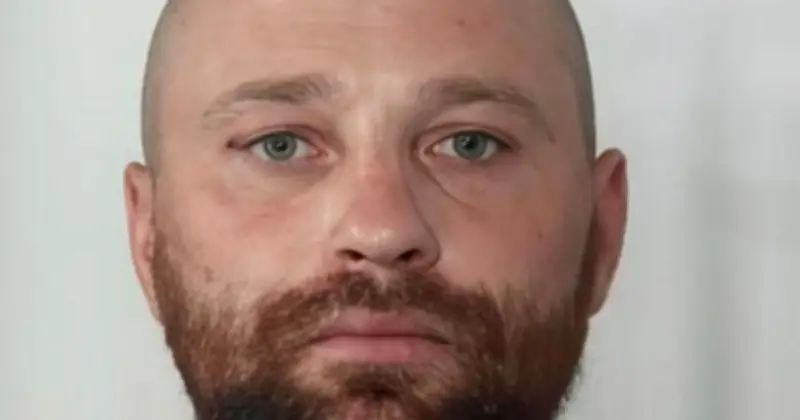
A Polish criminal wanted for a brutal gang murder in Poland managed to enter Britain despite an international arrest warrant. Dawid Hojka, 35, is accused of participating in a fatal attack on Przemysław Szlechta, 50, in Bielsko-Biala, Poland, in June 2025. The victim was beaten, kicked, stabbed twice, and his flat was set on fire while he lay dead. Polish prosecutors allege Hojka acted with particular cruelty. He now faces extradition to Poland, where he could receive a life sentence with a minimum of 15 years, but has lodged an appeal against removal.
How He Entered the UK
Hojka left Poland shortly after the murder and was not arrested until February 2026, when Gloucestershire Police detained him at a DPD depot in Gloucester. Polish authorities had issued an international arrest warrant the previous month. Shockingly, Hojka had already been arrested by UK police in December 2025 for drug-related matters but was released on bail without charge. He also has prior convictions in Poland for drunk driving and assaulting a public official.
Court Proceedings and Appeal
At Westminster Magistrates Court in May 2026, District Judge Timothy King ordered Hojka's extradition, rejecting his argument that the charges were unclear. The judge stated the warrant clearly describes Hojka beating the victim, stamping on his head, stabbing him twice, and setting fire to the building. Hojka has now appealed to the High Court to block his removal.
Broader Border Control Concerns
Hojka is the latest in a series of foreign criminals who have slipped through UK border controls. According to official figures, UK prisons held about 10,700 foreign national offenders as of June 2025, representing 12% of the total prison population. Other cases include Romanian cagefighter Ionut Nastiuc, wanted for attempted murder with an axe, who avoided extradition due to legal technicalities. Shadow Home Secretary Chris Philp commented: 'Poland is a safe country with a fair legal system. The Government should extradite this accused murderer without hesitation. The UK cannot be a sanctuary for criminals wanted abroad.'
Government Response
A Home Office spokesperson stated: 'It is our longstanding policy not to routinely comment on individual cases. This Government is committed to removing foreign national offenders at the earliest opportunity and these have risen by 36% since taking office.' Gloucestershire Police declined to comment on Hojka's case. The incident has renewed calls for stricter border checks to prevent wanted individuals from entering the UK.