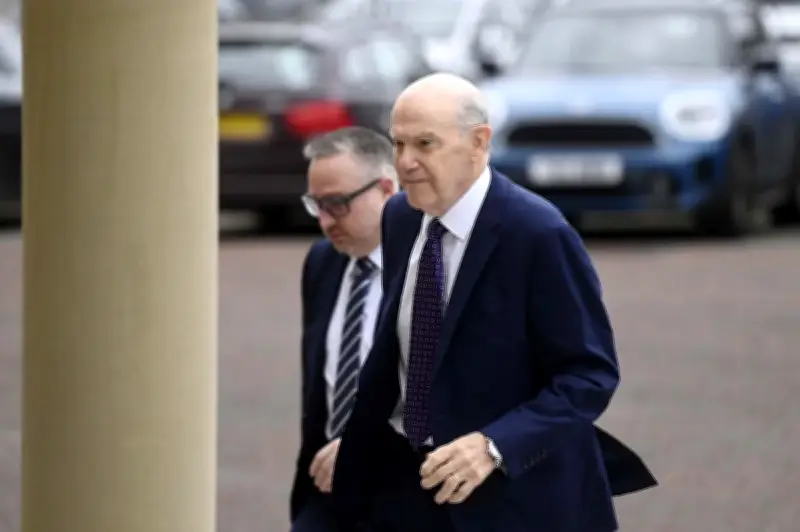
Sir Ronnie Flanagan has told the Omagh Bombing Inquiry that he believes he kept his promise to leave “no stone unturned” in the police investigation into the 1998 massacre, while expressing “deep regret” that those responsible were never brought to justice.
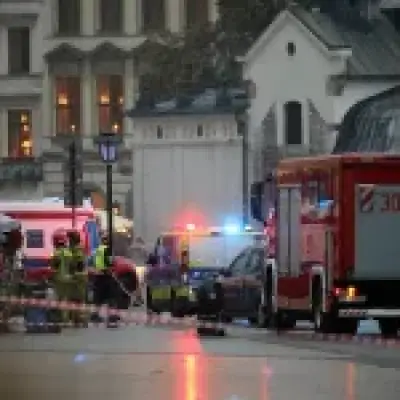
The former RUC chief constable was giving evidence at the public inquiry in Belfast, chaired by Lord Turnbull, which is examining the dissident republican car bombing in Omagh on August 15 1998 that killed 29 people, including a woman pregnant with twins.
Evidence on Investigation Decisions
Counsel to the inquiry Paul Greaney KC questioned Sir Ronnie about his determination after the bombing. Sir Ronnie said his aim was “that the people responsible, in whatever capacity, be brought to justice.” When Mr Greaney noted that this had not happened, Sir Ronnie replied: “It has not happened, and that is a source of the most deep regret to me.”
Sir Ronnie told the inquiry he was in his office in Belfast when he first heard about the explosion and immediately travelled to Omagh, wanting to show “how much these things mattered”.
Reductions in Incident Room Staffing
Mr Greaney showed the inquiry an RUC policy log indicating that, in the month following the bomb, the senior investigating officer decided to reduce the manpower and hours of work in the incident room. Sir Ronnie said he had not been aware of this reduction, which occurred six weeks and two days into the investigation, nor of further reductions recorded in November 1998, 15 weeks and two days after the bombing.
Asked what he would have said if the reductions had been raised with him, Sir Ronnie said he “would have sought assurance from the SIO that he was content that the incident room could be managed effectively by these new measures.” He added that he was not sure the log entries had been shown to him.
Anonymous Call to Finner Camp
Earlier, Mr Greaney said he was confident the Irish Government would answer questions about an anonymous call made to Finner army camp in Co Donegal on August 14, the day before the bombing. The call referred to a need for security forces to pay attention to the main route from Lough Melvin to Enniskillen, Irvinestown, and Omagh.
The sergeant who spoke to the caller did not take the content seriously and made no report upwards before the bombing, so the content did not reach UK state authorities beforehand. Garda intelligence reports concluded the call was not a warning about Omagh, though a comment in the same report indicated Omagh had been mentioned three times. The call was traced to a bar in Bundoran, with four other calls made from the bar to the camp earlier that day, whose relevance Mr Greaney said was “unclear”.