The Royal Borough of Kensington and Chelsea has confirmed it has started a legal process to challenge the Government’s “unreasonable” proposals to slash its funding by more than 40%.
The council announced the decision after 93% of residents said they backed the local authority pushing back over the funding reforms. It is one of a number of local authorities in the capital set to have its funding heavily reduced following the implementation of the Labour Government’s so-called “Fair Funding Review”.
The west London borough faces a shortfall of £108 million over the coming four years as part of the shake-up. The council’s leadership team met on Tuesday to formally agree to utilise the Sustainable Communities Act and submit an official proposal asking ministers to reconsider the planned cuts.
Council leader vows to fight for fairer deal
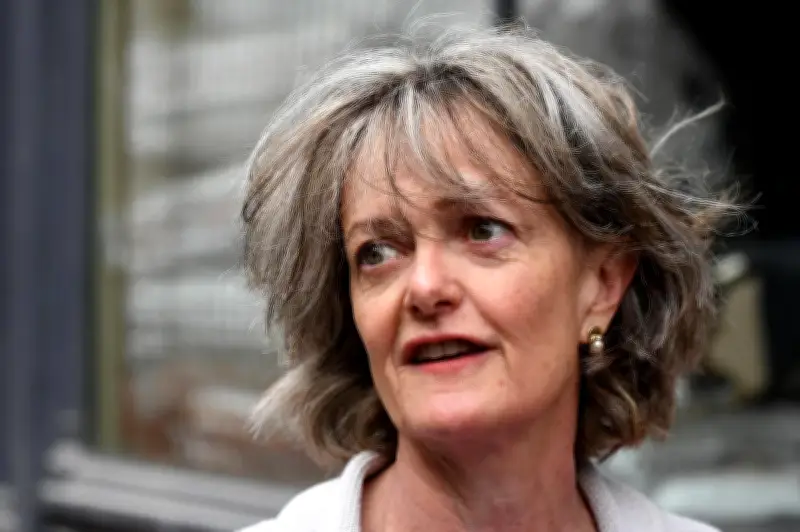
Elizabeth Campbell, leader of the Conservative-run council, told her cabinet that she was “going to carry on fighting for a fairer deal” for the Royal Borough. The Sustainable Communities Act 2007 contains a legal power that gives councils the right to submit proposals to the Government asking for the removal of legislative and other barriers that prevent them from improving the sustainability of their local area.
Ms Campbell said: “We’ve got to be honest that the next four years are going to be shaped by our funding reality and we will have to do less, step back on some things and take difficult decisions.”
She added: “I just want to be clear that this is not our choice, it is the result of a funding settlement from this Labour Government that is both unfair and unreasonable to the people of this borough.”
Other councils facing similar reductions
Westminster City Council, the London Borough of Richmond upon Thames and Wandsworth Borough Council are all facing similar reductions in funding and are set to join in submitting a challenge to ministers. The leaders of all three boroughs met in August with members of the Tory shadow cabinet to discuss how to challenge the new settlements.
A report by Maxine Holdsworth, chief executive of Kensington and Chelsea, said the council feels that “it should not be penalised for having kept council tax as low as possible over the years”.
Ministers have argued that local authorities with “historically low” council tax levels will have the cash they receive from Whitehall reduced following the Fair Funding Review, forcing them to bring bills into line with national averages to make up shortfalls.
Residents back challenge in consultation
Hammersmith and Fulham, Westminster, Kensington and Chelsea, Wandsworth, City of London and Windsor and Maidenhead have been given the power to raise bills above the 5% cap next year to balance their budgets in the wake of the cuts. Kensington and Chelsea has some of the lowest council tax rates in London, despite being one of the wealthiest boroughs.
Someone living in a Band D property within the Royal Borough will pay £1,643.44 in council tax for the year 2026-27, while someone in the same band in Croydon will pay £2,599.91.
The decision by the leadership team follows a consultation that found 93% of people either supported or strongly supported launching a challenge. Respondents said the highest priority for the proposal should be allowing the council to retain a greater share of local income, such as business rates, stamp duty and income tax. This was followed by asking for more time so that the council could adapt to the large changes in Government funding.
Councillor Monica Press, leader of the Labour Group on Kensington and Chelsea, said her band of elected representatives would not be working cross-party on the challenge as she had “extreme concerns about the leadingness” of the consultation. The council opened the petition on their website at the start of September with an article headlined, “Help us challenge the Government’s Fair Funding Cuts”.
Ms Press said: “We… are very much advocating and lobbying that the transition should be smoother, that there shouldn’t be this cliff, and that we retain up to 50 percent.” She added that the council should be pushing for a “transition period” to the new funding model and to hold on to more of the business rates that it collects.