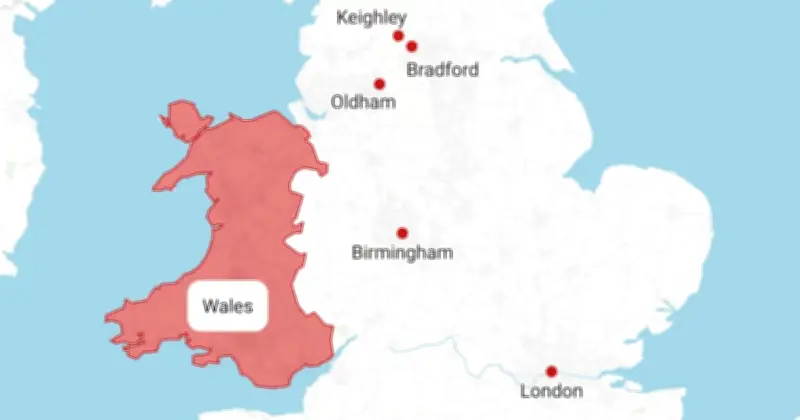
The national grooming gangs inquiry has been expanded to Birmingham and Wales, bringing the total number of areas under investigation to six. The inquiry confirmed probes have now been launched in both locations, in addition to the four cities and towns where investigations were already underway.
The inquiry said the probes in Birmingham and Wales will “examine the sexual abuse and exploitation of children by grooming gangs”. Investigators will also look into the “response of organisations responsible for protecting children”.
Six areas now under investigation
In June, the inquiry announced that London, Oldham in Greater Manchester, Bradford and Keighley in West Yorkshire would be the first places focused on. The scandal-hit inquiry is looking at areas where serious failures have been identified in the response to child sexual exploitation by grooming gangs.
In a statement, the inquiry said: “Each investigation will help the inquiry establish why institutions and organisations failed to protect victims and survivors of abuse, and feed directly into its national findings and recommendations.”
Background and leadership
The Government faced criticism over its handling of the probe. Sir Keir Starmer initially resisted calls for a national inquiry last year after tech billionaire Elon Musk used his X social media platform to attack the then-prime minister over the long-running scandal.
Following the U-turn on ordering the inquiry, efforts to set up the body and start work were fraught with delays, resignations and rows about its scope. During his election campaign as he bid for the Labour leadership, Andy Burnham insisted he “acted immediately” on grooming gangs while he was mayor of Greater Manchester and criticised others for manipulating the facts.
Inquiry powers and findings
Former children’s commissioner for England, Baroness Anne Longfield, is leading the £65 million three-year inquiry. The inquiry has the legal powers to compel witnesses to give evidence and require organisations to hand over documents.
Baroness Longfield said the inquiry will “follow the evidence wherever it leads”. So far more than 800 recommendations about tackling grooming gangs, child sexual exploitation and abuse across numerous reviews, reports and inquiries dating back to the 1990s have been identified by the inquiry team, with analysis indicating there has been “significant inconsistency in how these recommendations have been implemented”.
The inquiry previously said it will examine whether ethnicity, culture or religion influenced offending and if they shaped the institutional response. Any evidence of crimes uncovered will be referred to Operation Beaconport, the national police operation launched last year to review hundreds of previously closed investigations.
More investigations are expected to be announced in future and the inquiry plans to hold its first public hearings by the end of the year. Home Secretary Shabana Mahmood said: “The grooming gangs scandal is one of the darkest moments in our country’s history. Vulnerable children were failed by the very people who should have protected them.
“I am determined to get victims and survivors in Birmingham and Wales the answers they deserve. We launched the independent inquiry into grooming gangs to do so, with legal powers to hold institutions to account. This Government is investing a record £100 million to tackle child sexual abuse.
“Our focus is clear: identify victims earlier, relentlessly pursue perpetrators, and prevent these atrocious crimes from happening again.”