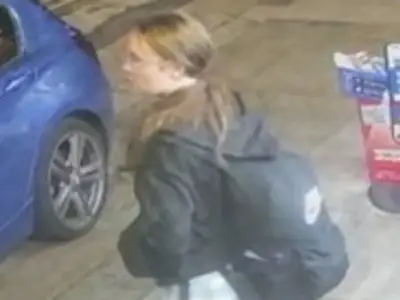
The Metropolitan Police's announcement that it is examining CCTV from Putney Bridge tube station is a significant development. It is the first time in more than two decades that police officers have followed a "new and realistic line of enquiry" in relation to Jill's murder.
The Met has spoken publicly about "recent advancements in CCTV enhancement technology," while specifying they are looking at "original footage from Putney Bridge train station," indicating that they feel they have a strong lead. Previous police statements have been non-committal but this one is different and is a real change in emphasis. They are now actively looking at the evidence, using the latest technology and even naming the tube station.
Case moved to inactive 12 years ago
This all comes 12 years after the case was moved to "inactive," meaning it was not being investigated or subject to reviews like most other unsolved murders. Though Jill's brother, Nigel, has said in the past he hoped her killer might confess, he knew that was unlikely and many who have followed the case believed it would never be solved.
The brutal and apparently inexplicable murder of a 37-year-old woman on her own doorstep in broad daylight on a busy London street would have been shocking enough. But for the victim to be one of the best-known BBC presenters in the UK left the nation united in shock and disbelief.
Investigation details
The investigation mushroomed into the second biggest homicide probe ever carried out by the Metropolitan Police. Operation Oxborough was under intense pressure from the start. The Met Police was dealing with the fallout from the Macpherson report that two months earlier branded it "institutionally racist" over Stephen Lawrence's murder (the Met's biggest ever homicide investigation).
Det Chief Insp Hamish Campbell's murder squad interviewed more than 2,500 people, traced 1,200 cars and produced 3,700 exhibits. The £2.75million investigation looked into hundreds of leads. The team of 45 officers checked 80,000 mobile phones and trawled through hundreds of hours of CCTV. They analysed 60 firearm murders of women, checked out 8,000 names given to police and traced 20,000 blue Range Rovers.
Barry George conviction and acquittal
Barry George was arrested in April 2000 and it took a year to make the case "absolutely watertight", according to former Met Commissioner Sir John Stevens' 2005 autobiography. He recalled: "The last thing we wanted was another Lawrence-type fiasco." He said the conviction came as an "immense relief" - but George was acquitted in a 2008 retrial after eight years wrongly spent in prison.
Michael Mansfield KC, who defended him during his first 2001 trial for Jill's murder, argued then that it could have been a Serbian hitman. Mr Mansfield later said of the Mirror's investigation: "Compelling evidence involved a strong suggestion of Serbian involvement so this is more than a coincidence. The Met needs to be monitored closely to ensure they do review this material as the former officer in charge of the case wrongly maintains Barry George's guilt."
Witness evidence and hopes for the killer
Along with former colleague Matthew Young and many other Mirror staff, the investigation into the case has been ongoing since November 2023. Matthew got access to the files from Barry George's 2001 trial and that enabled a detailed picture to be built up of what witnesses saw on the day of the murder. It was a complex and confusing picture, but at its heart were a number of witnesses who saw a man (or men) in a suit running or sweating in and around the murder scene.
One was a female motorist who told police she had seen a man "running for his life" down the Fulham Palace Road. The woman later picked out that man in CCTV from Putney Bridge station but detectives rejected her evidence. Police had originally focused on tracing the running/sweating man and issued an e-fit compiled by one observant witness who stood next to him at a bus stop for a number of minutes.
But after months of dead ends, having never traced the potential suspect, the police pivoted to looking at local men and settled on George. Now 27 years on, there is hope that the killer can be identified and the evidence exists to build a strong case against him.