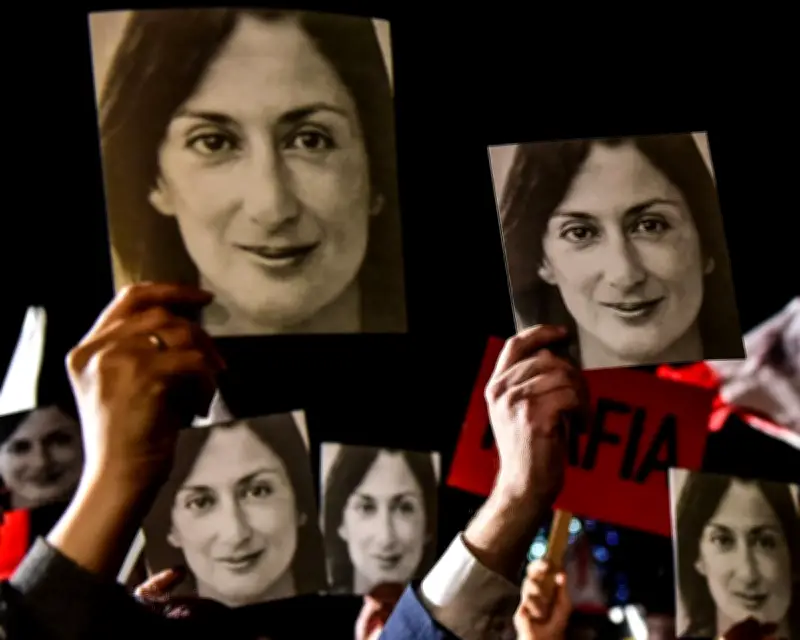
The trial of Yorgen Fenech, the man accused of ordering the 2017 murder of investigative journalist Daphne Caruana Galizia, has begun in Malta, reviving intense public interest in a case that has shaken the island nation. Fenech, a wealthy businessman from a powerful family, denies involvement, but the evidence against him is described as overwhelming by the victim's family.
The trial and its significance
Described as Malta's 'trial of the century,' the proceedings are being closely watched both locally and internationally. Reporters Without Borders called it 'historic' and an 'emblematic European case.' Herman Grech, editor-in-chief of the Times of Malta, said: 'This is undoubtedly the most consequential trial we've had in the 21st century.'
Caruana Galizia was killed by a car bomb in October 2017. She had exposed corruption at the highest levels of government, including within the administration of then-Prime Minister Joseph Muscat, who resigned in 2019 amid the investigation. A public inquiry concluded in 2021 that the state had allowed an 'atmosphere of impunity' that created a 'favourable climate' for the murder.
The accused and the defense
Yorgen Fenech is from one of Malta's most prominent families, often compared to the Trumps. Their business empire includes Hilton hotels and the Portomaso tower. Although Caruana Galizia never wrote about Fenech, she was investigating him at the time of her death. The police believe this was the motive for the murder. Fenech's lawyers claim he was framed.
Impact on journalism and legislation
The case has spurred efforts to protect journalists. Caruana Galizia faced 43 civil and five criminal libel suits at her death. Her family campaigned for anti-SLAPP legislation, leading to EU measures and similar proposals in the UK. In Malta, new laws allow judges to dismiss abusive libel claims before trial.
Public opinion and political fallout
The case remains divisive. Some, like a Valletta barman named Albert, say 'most people are happy she was got rid of.' Labour, Muscat's party, won a fourth term under his successor Robert Abela. The government fears the trial could collapse on a technicality. The victim's sister, Corinne Vella, said: 'The evidence against the accused is simply overwhelming, which gives us real hope we'll finally see justice.'