Under UK law, you don't automatically have a right to light for your garden, so you cannot force a neighbour to cut down a tree solely because it blocks sunlight from your outdoor areas. However, there are specific actions you can take if branches overhang your property, if a window has been obstructed, or if several evergreen trees form a tall hedge.
Legal Rights for Light to a Window
If a tree blocks light to a specific window of a building (not a garden) and that light has shone through uninterrupted for 20 years or more, you may have a legal claim under the Prescription Act 1832. This typically applies when:
- Light has come through a window without interruption for at least 20 years.
- The right to that light has not been surrendered or altered by any agreement.
- The obstruction substantially interferes with the use of the room.
In such cases, you might seek an injunction or damages. However, proving a legal right to light and demonstrating “substantial interference” can be complex and often requires expert assessment and legal advice.
Hedges Covered by the Anti-Social Behaviour Act
If the blockage is caused by a row of two or more mostly evergreen or semi-evergreen trees or shrubs taller than two metres, you can complain to your local council under the Anti-Social Behaviour Act. The council may issue a formal notice requiring the neighbour to reduce the hedge height if it interferes with your reasonable enjoyment of your home.
What You Can Trim and What You Cannot
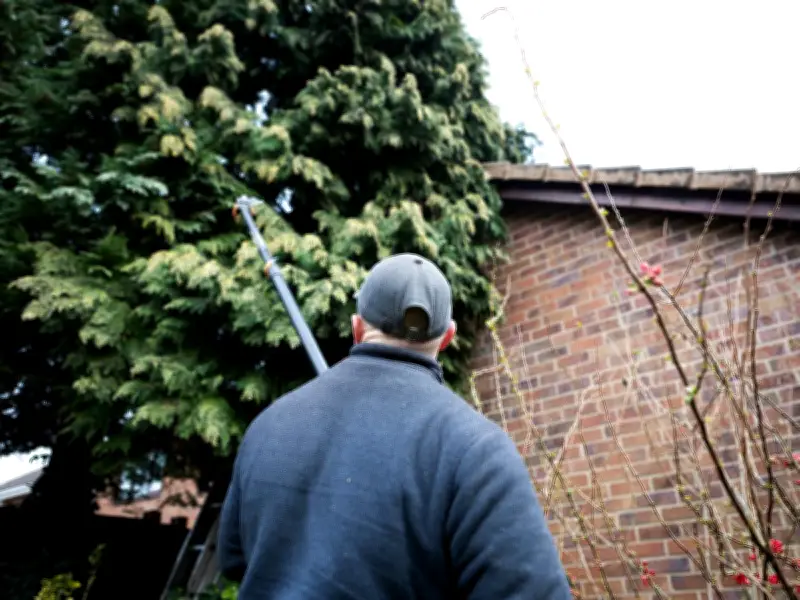
You are legally allowed to trim any branches or roots that cross your property line back to the boundary, but you must not trespass onto the neighbour’s property to do so. The cuttings remain the neighbour’s property and should be returned to them. Before cutting, ensure the tree is not protected by a Tree Preservation Order (TPO) or located in a conservation area.
Best Approach: Talk to Your Neighbour
In many cases, a friendly conversation is the most effective solution. Your neighbour may not realise the tree is causing problems and could be willing to trim it. Good communication often resolves issues without legal steps.
Anna Thunstrom, Saga’s Head of Home Insurance, says: "If the branches blocking your garden’s light or causing you issues aren’t on your property, legally, there is very little you can do. In these situations, it’s best to speak to your neighbour directly and attempt to come to a reasonable solution or compromise. Going into these situations with kindness can make a world of difference and make your neighbour more receptive to helping you out."
If Agreement Cannot Be Reached
Thunstrom adds: "If an agreement cannot be reached, you can ask your local council to help you find a mediator for conversations. However, you may need to pay the mediator for their time. You can also get legal advice from your home insurer if you’ve opted for Legal Expenses insurance, which is an insurance add-on that could even help you to pursue litigation." She warns: "Never cross into a neighbour’s property to take action. Damaging a tree that is within your neighbour’s property is illegal and could result in your neighbour pressing criminal damage charges against you."