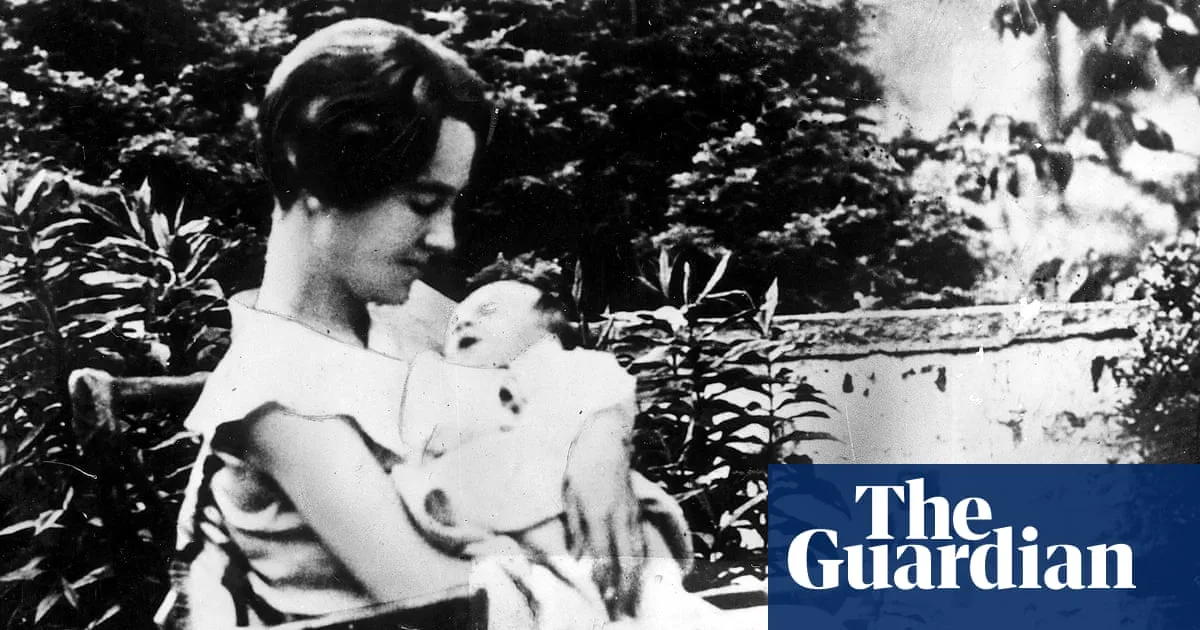
A new lawsuit in New Jersey seeks to force state police to allow mitochondrial DNA testing on envelopes used to send ransom notes in the 1932 Lindbergh baby kidnapping case. The case, which saw the abduction and murder of aviator Charles Lindbergh's 20-month-old son, remains a subject of fascination and speculation nearly a century later.
The crime was pinned on Bruno Hauptmann, a German immigrant who was executed in 1936, but his conviction relied on circumstantial evidence. Questions about whether he acted alone or with co-conspirators have persisted, with even the prosecutor expressing doubts.
Plaintiffs, including a professor and a retired teacher, argue that modern forensic testing on saliva from stamps and envelope seals could clarify lingering questions. They have been denied access to the archive of over 250,000 documents at the New Jersey state police museum since 2023.
State police say the archive closure is temporary to develop new access policies and prevent damage to artefacts. However, the plaintiffs' attorney, Kurt Perhach, dismisses these concerns, stating, 'Their argument about damaging the documents is completely laughable.'
The case had a profound impact on US law, expanding FBI authority and making kidnapping a federal offence. The plaintiffs emphasise the importance of using scientific tools to affirm historical truth in an era of political pressure.