

World Cup Fans Brace for Major Airport Disruption Amid US Government Shutdown
Football supporters planning to travel to the United States for this summer's FIFA World Cup are confronting stark warnings of significant travel chaos, as an ongoing government shutdown continues to severely impact federal services across the nation. The situation has escalated into what officials describe as a "potential perfect storm," with a critical shortage of frontline security personnel coinciding with the anticipated arrival of millions of international fans for the tournament, scheduled to commence in June.
Staffing Crisis and Security Queues Reach Breaking Point
Ha Nguyen McNeill, the acting head of the Transportation Security Administration (TSA), delivered alarming testimony before a US House committee, revealing the depth of the staffing crisis. Since the budget stand-off began in mid-February, more than 480 TSA officers have resigned, joining tens of thousands of federal workers who have gone unpaid during the protracted shutdown. Compounding the issue, there has been a sharp increase in staff absences, with many employees unable to afford the cost of commuting to work.
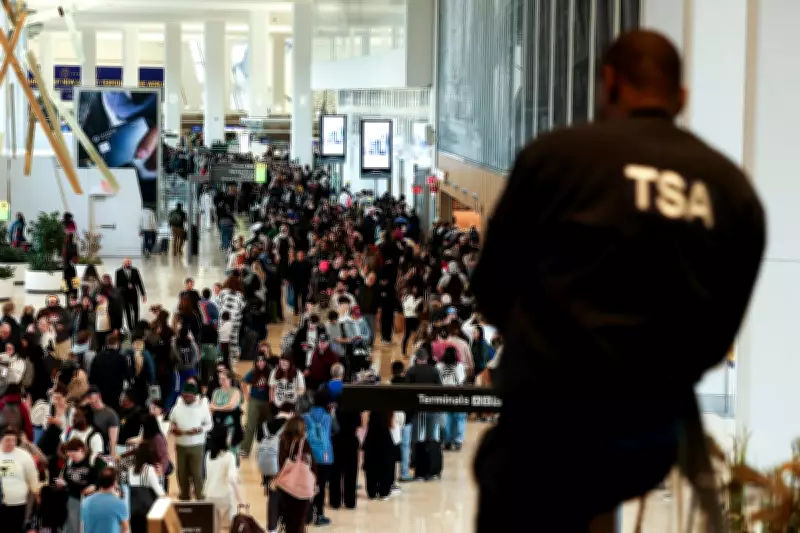
This severe depletion of the workforce has resulted in record-breaking security queues at numerous airports, where passengers have been forced to wait for over four hours to clear checkpoints. Ms McNeill emphasised that the situation is further aggravated by a notable rise in assaults on TSA staff, highlighting the heightened tensions and pressures within airport environments.

Training Delays and Long-Term Impacts on World Cup Security
The acting administrator outlined a dire prognosis for the upcoming World Cup period, noting that the shutdown is not only driving away experienced personnel but also crippling recruitment and training efforts. Newly hired officers require four to six months of training before they are certified to work at security checkpoints, meaning that any staff recruited now will not be operational until well after the tournament concludes.
"We are facing a potential perfect storm of severe staffing shortages and an influx of millions of passengers at our airports for the World Cup games in less than 80 days," Ms McNeill warned lawmakers. She expressed grave concerns that the TSA will continue to lose talented employees to other sectors offering stable pay, further depleting the agency's capacity to manage the unprecedented passenger volumes expected during the global sporting event.
Financial Hardship and Political Deadlock Exacerbate Crisis
Highlighting the profound personal toll on TSA employees, Ms McNeill detailed how many workers have missed bill payments, faced eviction notices, had vehicles repossessed, and seen utilities disconnected. Some staff have resorted to sleeping in their cars, selling blood plasma, or taking on second jobs to make ends meet, all while being expected to maintain high security standards.
The political impasse underpinning the shutdown remains entrenched. Democrats have blocked Homeland Security funding, demanding reforms to controversial immigration operations following the fatal shootings of Renee Good and Alex Pretti by federal agents in Minneapolis. A Democratic proposal to fund the TSA while negotiating changes to Immigration and Customs Enforcement (ICE) has been rejected by Republicans, prolonging the budgetary stalemate.
In response to the escalating crisis, US President Donald Trump has already deployed federal immigration agents to assist the TSA and indicated that National Guard troops could be mobilised if necessary. However, with the World Cup fast approaching and the shutdown showing no signs of resolution, the prospect of smooth travel for fans appears increasingly uncertain, casting a shadow over the prestigious tournament's logistics and security preparedness.






