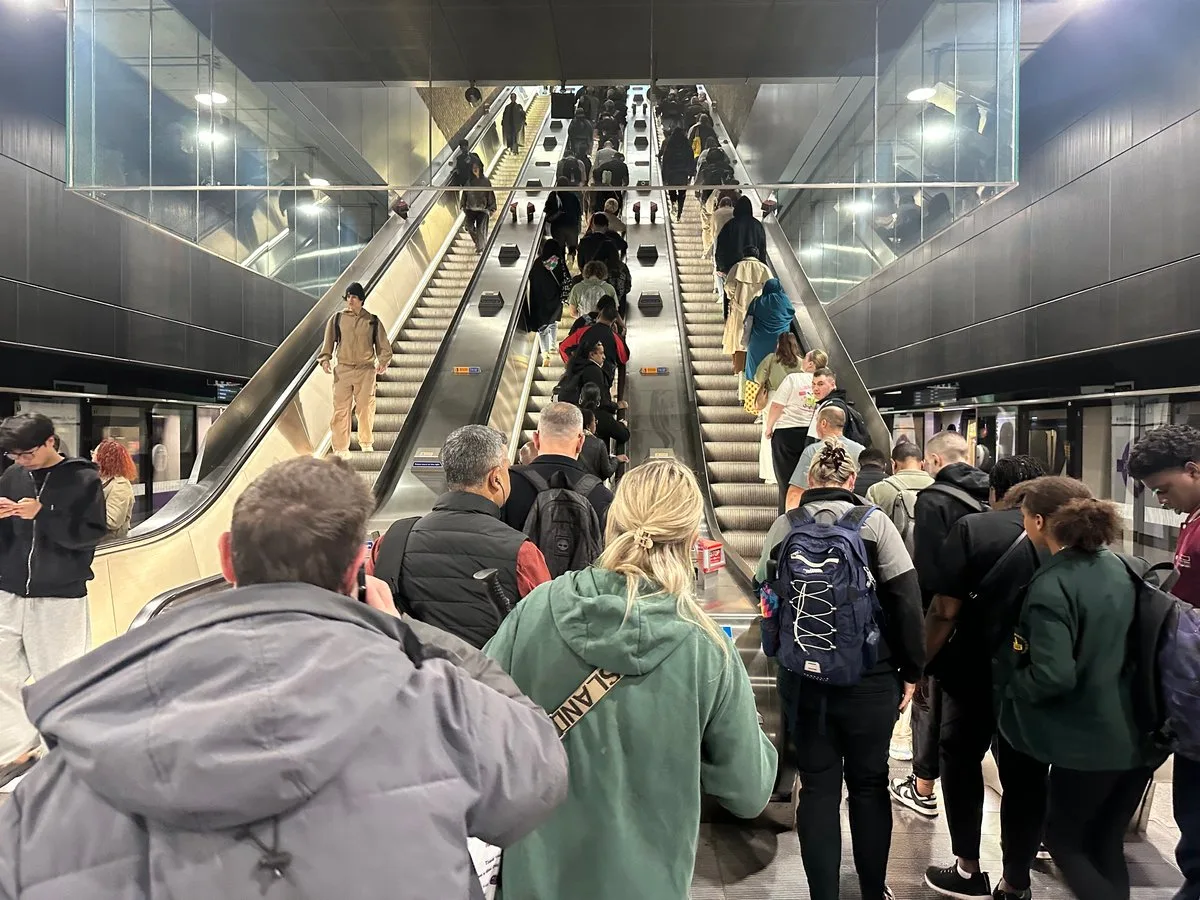
Londoners have managed to navigate the capital despite two days of Tube strikes by the RMT union, with many turning to alternative transport options. The Elizabeth line saw an 18% increase in usage compared to the same day last year, according to Oyster and contactless tap data as of 10am on Thursday. This suggests close to one million journeys were made on the line each strike day.
Other transport modes also saw increased demand. London Overground usage rose by 12%, bus boardings increased by around 2%, and cycling was up 22% compared to a year ago. Central and inner London's road network was approximately 10% busier than normal. Meanwhile, London Underground usage dropped by 43%.
The RMT strike, which took place on Tuesday and Thursday, is part of a dispute over changes to working conditions, including a proposed four-day week. The union has criticised the plan as a 'fake' four-day week, arguing it compresses five days of work into four, raising concerns over driver fatigue. However, the Aslef train drivers' union has backed the reforms.
Just under 60% of Tube drivers reported for work on Thursday, slightly up from 57.2% on Tuesday. Transport for London (TfL) noted that 91% of Jubilee line drivers, 80% of Bakerloo drivers, and 75% of Metropolitan drivers were working. A TfL spokesman said: 'Despite the strike, we are still running services across most lines.'
Liberal Democrat MP Luke Taylor praised commuters' resilience, saying: 'Commuters are showing their resilience and finding other ways to get around London despite the mess caused by Labour’s lack of leadership in London.' The RMT has stated that no further Tube strikes are planned, with talks scheduled for next week.