

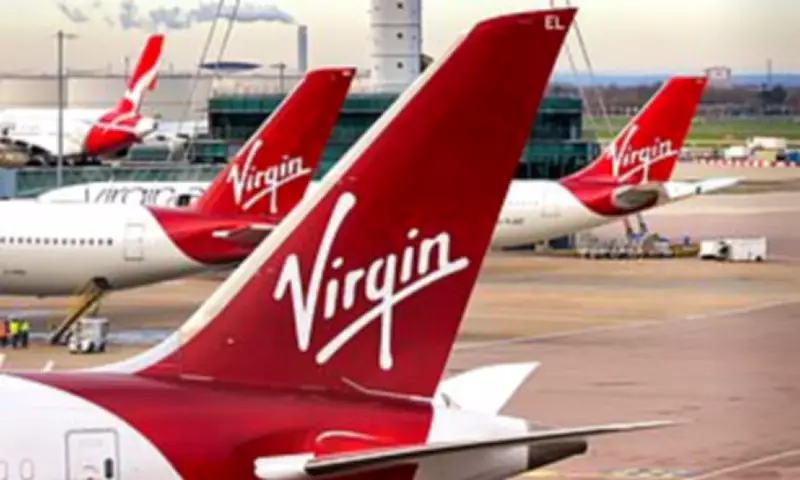
Virgin Australia has confirmed it will implement a five per cent price hike on all domestic airfares, a direct response to the dramatic surge in jet fuel costs which have doubled over the past month. This escalation in fuel expenses is largely attributed to the ongoing conflict in the Middle East, which has disrupted global oil markets and driven up aviation operating costs significantly.
Following Industry Trends
The decision by Virgin Australia mirrors similar actions taken by other major carriers in the region. Australia's flagship airline, Qantas, along with its budget subsidiary Jetstar, recently announced their own fare adjustments, explicitly linking the increases to the economic repercussions of the war in Iran. This collective move underscores the widespread impact of geopolitical tensions on the aviation sector, forcing airlines to reassess their pricing structures to maintain financial viability.
Official Statement from Virgin
In an official statement, a Virgin Australia spokesperson elaborated on the rationale behind the fare increase. 'Costs across the aviation sector continue to rise, now significantly exacerbated by the situation in the Middle East,' the spokesperson said. 'We are making necessary fare adjustments to reflect these cost pressures.' The statement highlights how external factors, beyond the control of airlines, are compelling necessary operational changes to offset mounting expenses.

Scope of the Fare Adjustment
According to reports from 9News, the five per cent increase will apply uniformly across Virgin Australia's domestic flight offerings. This adjustment will affect both economy and business class tickets, ensuring that all passengers will experience the price rise. The move is seen as a strategic measure to balance the books amid volatile fuel markets, with airlines seeking to pass on some of the increased costs to consumers while navigating uncertain economic conditions.
Broader Implications for Travelers
The fare hike by Virgin Australia, coupled with similar announcements from Qantas and Jetstar, signals a challenging period ahead for domestic travelers in Australia. As jet fuel prices remain elevated due to the Middle East conflict, passengers may need to budget for higher travel expenses. The aviation industry is closely monitoring the situation, with potential for further adjustments if fuel costs continue to climb or geopolitical instability persists.
This development reflects the interconnected nature of global events and local economies, where international conflicts can swiftly translate into tangible price increases for everyday services like air travel. As airlines grapple with these external pressures, consumers are advised to stay informed about potential changes in fare structures and plan their travel accordingly.






