

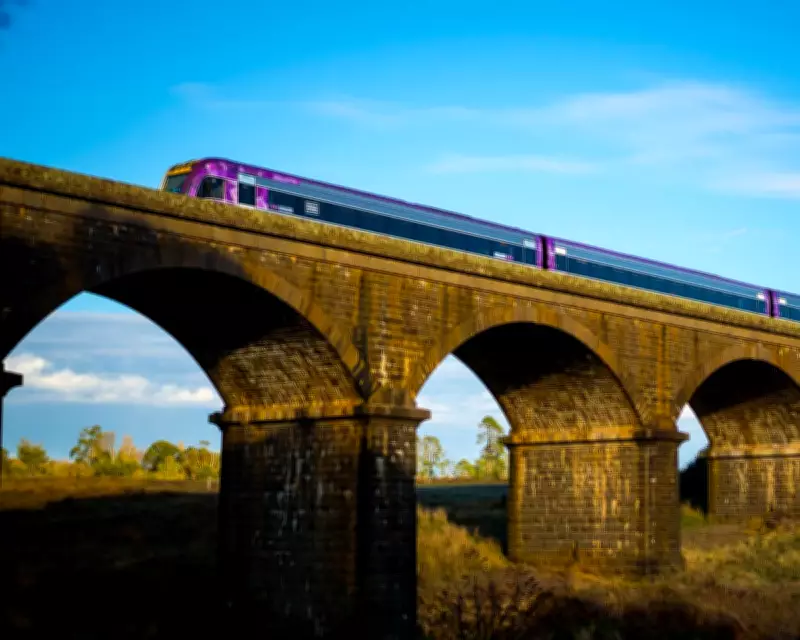
Victoria's Free Public Transport Initiative: A Cost-of-Living Relief Measure
The Victorian government introduced a significant cost-of-living measure in April, making all public transport services free for the entire month. This initiative was a direct response to soaring fuel prices, which spiked dramatically in March due to geopolitical tensions, including the US-Israel conflict with Iran. The scheme was designed to provide immediate financial relief to residents grappling with rising expenses.
Public Response and Overcrowding Issues
In the initial week of the free transport offering, reports emerged of a substantial influx of users, particularly on regional train services. Laura Billings, a campaigner for Parents for Climate, shared her experience from Ocean Grove, noting that car parks at stations like Waurn Ponds were overflowing, making it difficult to find parking or seats on trains. "We thought, 'it's free'," she said, highlighting the appeal of the initiative despite the added travel time.
However, this surge led to serious overcrowding on some routes, raising concerns about the system's capacity to handle increased demand. The Victorian government later extended the free scheme through May, with plans to implement half-price fares until the end of the year, backed by a $400 million allocation in the upcoming state budget.

Data Analysis and Behavioural Insights
Government data revealed a modest impact: 21 million public transport trips were recorded in the first two weeks, representing a 10% increase compared to the previous fortnight but aligning closely with figures from the same period last year. A government spokesperson attributed this to timing overlaps with the Easter long weekend and school holidays.
Traffic analysis by Guardian Australia indicated a sharp drop in major road usage in Melbourne during early April, though levels largely recovered afterward. Factors such as school holidays or roadworks may explain these fluctuations, but robust data analysis remains pending until the initiative concludes.
Milad Haghani, an associate professor at the University of Melbourne, conducted a survey of nearly 2,000 Australians across Victoria, New South Wales, and Queensland. His findings showed that car use declined similarly in all states, with Victoria reporting a 43.2% reduction. Only 26.3% of Victorians shifted some commuting trips from car to public transport, a marginal difference compared to other states despite the free fares.
Haghani emphasised that price is just one factor in travel decisions, noting that access, convenience, and trip purpose play crucial roles. "People seemed more flexible in reducing car use for commutes than for leisure trips," he explained, adding that habitual drivers were less likely to switch modes.
Broader Transport Trends and Sustainability
The free transport scheme is part of a broader shift as Victorians explore alternatives to mitigate fuel costs. GoGet, Australia's largest car-share company, reported record sign-ups in March and a double-digit increase in usage compared to last year. However, challenges like fuel card thefts have prompted logistical reassessments.
Electric and hybrid vehicles are also gaining interest, though infrastructure gaps remain a hurdle. Graham Moore from Preston abandoned an EV holiday plan due to unreliable charging stations on his route. Billings observed a "panic rush to EV dealers" in her community, reflecting growing concerns about fuel dependency and sustainability.
"The instability around realising how fragile the system is has made people re-evaluate," Billings noted, pointing to broader conversations about cost of living and long-term security beyond public transport alone.
Conclusion: Evaluating Long-Term Impact
While the free public transport initiative provided temporary relief, its ability to drive lasting behavioural change appears limited. Data suggests that factors beyond price, such as accessibility and convenience, significantly influence travel choices. As Victoria moves to extended fare relief, the focus may shift to integrating sustainable options like car-sharing and EVs, addressing infrastructure gaps to support a more resilient transport future.






