

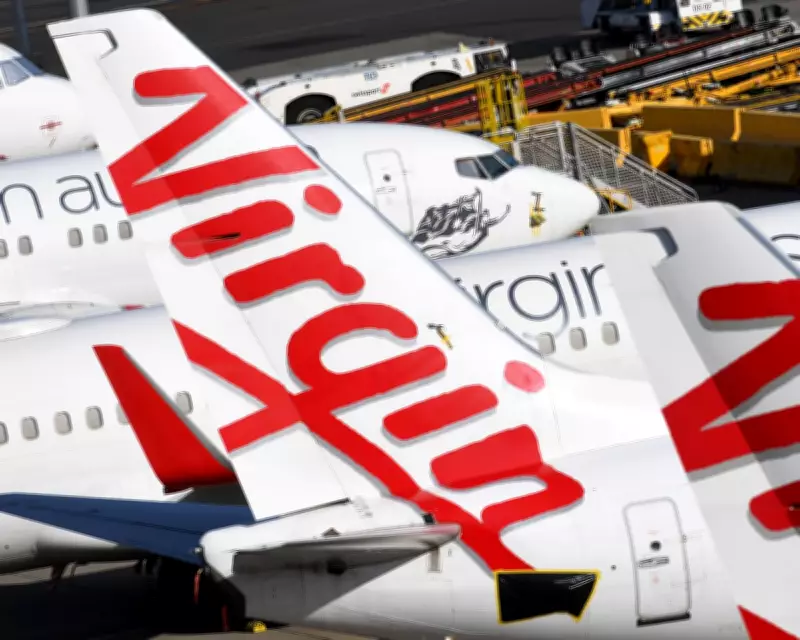
Vape Incident on Virgin Australia Flight Prompts Emergency Response
A Virgin Australia domestic flight was met by firefighters upon landing in Melbourne on Sunday after smoke emerged from a vape in the cabin, leading the pilot to issue a pan call. The incident highlights growing concerns about the fire hazards posed by vaping devices on aircraft due to their lithium-ion batteries.
Details of the In-Flight Emergency
Virgin Australia flight VA328, operating from Brisbane to Melbourne, experienced the emergency during its descent. A passenger alerted the crew when smoke was observed coming from a vape that had activated unexpectedly. In response, the pilots made a pan call, which is less urgent than a mayday but indicates a situation requiring expedited arrival, such as a medical emergency or potential safety threat.
A spokesperson for Melbourne Airport confirmed that emergency services were placed on standby as a precaution, following standard procedures. The Boeing 737 aircraft landed safely and taxied to the gate, where passengers disembarked normally. Aviation Rescue firefighters followed the plane and subsequently removed the vape device from the aircraft.

Are Vapes a Fire Risk on Flights?
Vapes and e-cigarettes are powered by lithium-ion batteries, similar to those in mobile phones and laptops, but they are often less regulated and pose a higher fire risk. Professor Neeraj Sharma, a battery expert at the University of New South Wales, explained that these batteries can fail due to overheating, physical damage, or manufacturing faults, leading to thermal runaway—an uncontrollable increase in temperature that can cause fires or explosions.
Lithium-ion battery fires can reach high temperatures rapidly and release toxic gases, making them difficult to extinguish. While changes in pressure during flights are unlikely to trigger such events, careless handling, such as leaving vapes in hot cars or dropping them, increases the risk. Dr Adam Best of the CSIRO noted that vape batteries typically lack safety features found in other devices, exacerbating the danger.
In recent years, incidents involving lithium-ion batteries have risen. For example, a fire on a Virgin Australia flight from Sydney to Hobart was linked to a power bank, and vapes have caused fires at landfill sites, such as one in Benalla, Victoria, in 2023.
Airlines' Policies on Vapes and Batteries
Following the incident, a Virgin Australia spokesperson emphasized that safety is their top priority and commended the crew for their swift response. Major airlines, including Virgin, Qantas, and Rex, prohibit the use and charging of vaping devices on board and require that vapes, power banks, and spare batteries be carried in hand luggage only. This allows trained crew to manage any issues quickly in the cabin.
Qantas further restricts passengers to a maximum of 15 portable electronic devices, including vapes, for personal use. Australia's Civil Aviation Safety Authority recommends transporting spare batteries in carry-on luggage to ensure prompt handling by aircrew in case of emergencies.
As vaping becomes more prevalent, these policies aim to mitigate risks, but experts urge passengers to handle such devices with care to prevent potential in-flight hazards.






