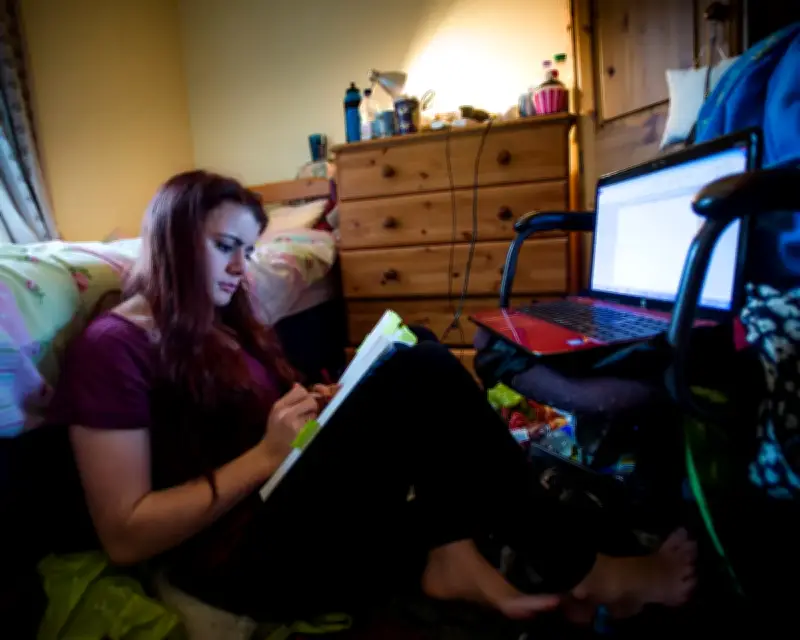
More undergraduates are choosing to live at home rather than rent, driven by soaring rental costs. This trend is reshaping the traditional student experience and raising questions about the transition to adult life.
Why Students Are Staying Home
The primary factor is finance. With rental prices remaining high, living with parents offers significant savings. Students avoid the burden of rent, deposits, and utility bills, which can otherwise stretch tight budgets.
However, this arrangement is not without its own costs. Students living at home may face longer commutes, less independence, and a different social experience compared to those in halls or shared housing.

Impact on Adult Life
The shift has implications beyond the university years. Living at home can delay the development of practical life skills, such as budgeting, cooking, and managing a household. It may also affect students' ability to build networks and form lasting friendships outside the classroom.
Yet for many, the financial benefits outweigh these drawbacks. The ability to graduate without significant debt is a powerful incentive, especially in a challenging economic climate.
Looking Ahead
As rental costs continue to shape decisions, universities and policymakers may need to adapt. This could include more flexible accommodation options, financial support, or initiatives to help students build life skills while living at home.
The trend of undergraduates living at home is likely to persist, making it an important consideration for students, families, and institutions alike.