
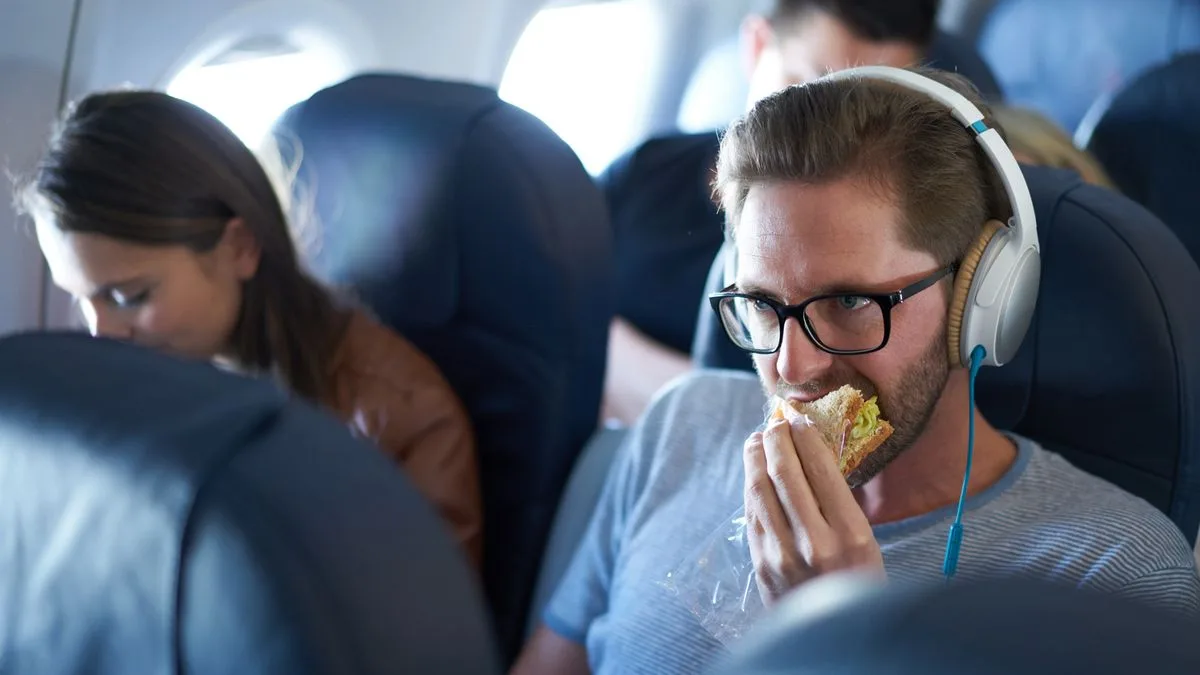
Passengers planning to bring their own food and drink onto trains in the UK should be aware of the rules, which vary between operators. While most train companies allow passengers to consume their own food and non-alcoholic drinks, restrictions apply to hot drinks and alcohol. The key is to check the specific policy of your train operator before travelling.
Generally, solid foods such as sandwiches, crisps, fruit, and nuts are permitted on trains. However, liquid foods like soups, custards, and sauces are subject to the same 100ml limit on liquids that applies at airport security. Hot drinks purchased at the station or on board are usually allowed, but passengers should ensure they have secure lids to prevent spills.
Alcohol policies differ: some train operators permit passengers to drink their own alcohol, while others prohibit it. For example, LNER allows passengers to consume their own alcohol in standard class but not in first class, where complimentary drinks are served. It is advisable to check with your specific operator. Passengers are generally not allowed to drink alcohol purchased elsewhere on trains where the operator sells alcohol.
Baby food, sterilised water, and milk are exempt from liquid restrictions, but there may be a maximum limit (e.g., 2 litres) and security may ask you to taste the items. Passengers travelling with infants should carry these items in their hand luggage and be prepared for inspection.
To avoid confiscation or delays, always check the rules of your train operator and the country you are travelling to, as some destinations restrict certain foods like meat, fresh fruit, or dairy products. When in doubt, opt for low-risk snacks that can be eaten cold, as microwaves and refrigerators are not available for passenger use on most trains.




