

The Foreign, Commonwealth & Development Office has escalated its security guidance for British nationals across the Middle East, issuing critical 'shelter in place' warnings for several nations as the Iran conflict intensifies. This urgent advisory specifically targets popular destinations including Dubai, Qatar, and Bahrain, where the threat from retaliatory drone and missile attacks remains severe.
Immediate Shelter Instructions for UAE, Qatar, and Bahrain
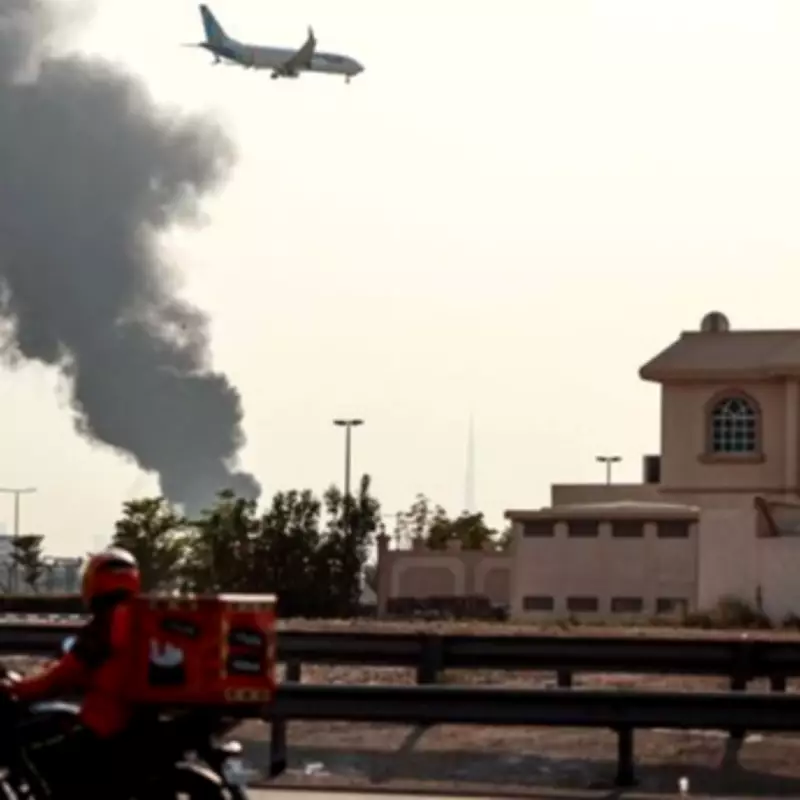
In the United Arab Emirates, which hosts a substantial British expatriate community, the FCDO now advises against all but essential travel. The guidance follows a drone strike near Dubai International Airport on Monday that forced a temporary closure of the world's busiest aviation hub. Authorities confirmed a Pakistani citizen was killed by missile fragments in Abu Dhabi, highlighting the tangible dangers.
The FCDO's shelter protocol for the UAE states clearly: "If local authorities advise you to take shelter, stay indoors or move to the nearest safe building immediately. The greatest risk originates from falling debris caused by intercepts, making secure structures the safest option."

Officials recommend selecting an interior stairwell or a room with minimal external walls or windows for enhanced protection. Movement should be restricted to absolutely essential journeys, preferably during daylight hours while avoiding crowded venues. Maintaining communication is vital—individuals should inform friends or family of their whereabouts and keep mobile phones charged at all times.
Parallel Warnings for Qatar and Bahrain
Similar 'shelter in place' directives have been activated for Qatar and Bahrain, where the FCDO also discourages non-essential travel. For Qatar, the advice emphasizes following local authority instructions, seeking immediate shelter in the nearest safe building upon hearing interception sounds or receiving alert warnings. The Qatari Ministry of Interior provides real-time updates through its social media channels.
In Bahrain, the guidance includes a specific caution against approaching or touching any drone or missile fragments. British nationals are urged to remain indoors whenever possible, limiting movements to strictly necessary trips while maintaining regular contact with loved ones.
Cyprus and Greece: Different Regional Realities
The conflict's regional escalation was underscored when an RAF base in Cyprus was struck by a drone, believed to have been launched by pro-Iranian militias operating from Lebanon or western Iraq. Despite this incident, there is currently no 'shelter in place' alert for Britons on the Eastern Mediterranean island, nor are individuals being discouraged from travelling there.
Nevertheless, the FCDO cautions that the broader regional escalation "poses significant security risks and has led to travel disruption." British nationals are encouraged to monitor local and international media closely and register for official information alerts.
Meanwhile, Greece faces no specific travel advisories, having assisted in strengthening Cyprus's defences following the RAF Akrotiri incident. The FCDO acknowledges that while commercial flight availability is improving, the situation remains "extremely difficult and stressful" for British holidaymakers, transit passengers, businesspeople, and expatriates experiencing serious travel disruptions.
Ongoing Precautions and Registration
The conflict has now entered its third week, with Iran continuing to launch retaliatory attacks across the region. The FCDO continues to update its travel advice to reflect evolving ground conditions in each affected country.
British nationals in Bahrain, Israel, Kuwait, Lebanon, Palestine, Qatar, and the United Arab Emirates are strongly advised to register their presence with the FCDO to receive direct updates and tailored guidance. This registration process ensures individuals receive timely information about security developments and evacuation procedures if necessary.
As the situation remains fluid, all travellers and residents in the region should maintain heightened awareness, follow official instructions meticulously, and prepare for potential rapid changes in security conditions.






