
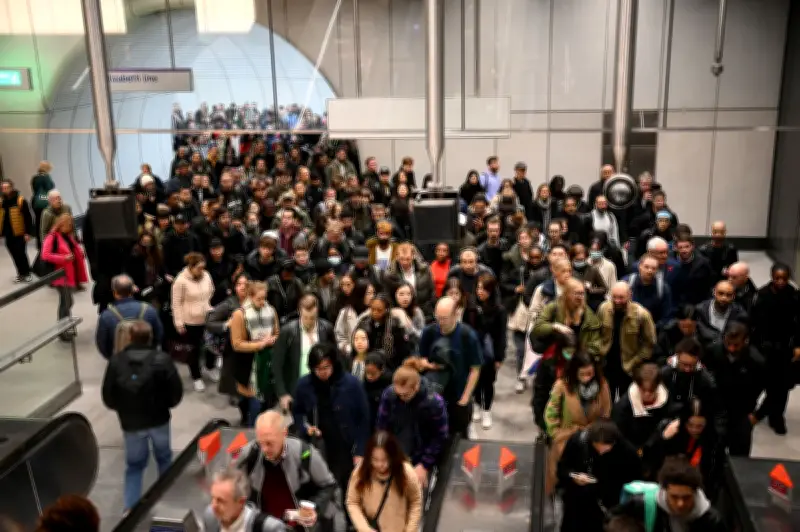
The RMT union has launched the first of eight 24-hour strikes on the London Underground, with the Circle and Piccadilly lines expected to have no service throughout Thursday.
The walkout officially begins at midday, although Tube services will start to be reduced from around 10am. Most services are expected to run but with disruption on all lines. On Friday, services are expected to start later than normal, from about 7am, with disruption across all lines until around midday, and continued disruption through the afternoon and evening as services return to normal by around 6pm.
Which lines are affected
No service is expected on the Circle or Piccadilly lines throughout Thursday. Trains are also not expected to run on the Waterloo & City line after midday on Thursday. All other lines are likely to be hit by some disruption.
The Elizabeth line, DLR, London Overground, buses and trams are expected to operate as normal but may be busier than usual as customers seek alternative routes. The Piccadilly line, which has many RMT Tube drivers, is likely to be the slowest to return to normal.
Strike dates and reasons
The further strike dates are Thursday, December 17, 2026; Saturday, December 19, 2026; Monday, January 4, 2027; Wednesday, January 6, 2027; Wednesday, February 17, 2027; Tuesday, February 23, 2027; and Thursday, February 25, 2027.
The RMT is staging the strikes in a row over a proposed voluntary four-day working week for Tube drivers. The union says drivers will face longer hours driving trains, longer duties, earlier starts and later finishes, short-notice changes to shifts and attacks on existing transfer rights between depots and annual leave arrangements.
Transport for London stresses that drivers will have a shorter working week, with no pay cut, as it seeks to bring in more modern working practices. Drivers are being offered three options: moving to the four-day week with new working conditions, staying on the old hours and working arrangements though some faced having to move depot, or a third option of a 36-hour week, new working conditions and staying at their depot.
Impact on London
The strikes are expected to hit sporting fixtures and cause chaos for Christmas shoppers. The walkout on December 19 is on the final Saturday before Christmas, known as Super Saturday, which traditionally is the biggest festive shopping day. On the same day Brentford FC play Newcastle United at home in the Premier League, with the District and Piccadilly lines popular ways of reaching the Gtech Community Stadium.
The 24-hour strike on Wednesday January 6 is also set to cause chaos for fans trying to reach Fulham's Craven Cottage ground for the evening game against Tottenham, and Chelsea fans hoping to hop on the Tube as part of their journey to watch the Blues play Crystal Palace at Selhurst Park on the same evening also face disruption. The scheduled 24-hour walkout on Monday January 4 coincides with the first day back at work for millions after the New Year break.
Reactions and positions
Shadow Transport Secretary Richard Holden slammed the strike, saying: "Londoners are facing yet more misery and chaos because Sadiq Khan simply doesn't have the backbone to stand up to militant Tube unions."
A City Hall spokesperson said: "The Mayor urges the RMT and TfL to keep talking and resolve this matter so we can avoid disruption and keep London moving." Liberal Democrat London spokesperson Luke Taylor said: "London Underground and DLR staff keep this city moving, but these strikes threaten London's small businesses when so many are already on the brink." Reform UK's London mayoral candidate Laila Cunningham added: "Tube strikes have become a recurring feature of life in London, disrupting businesses, costing people money and making the daily commute a nightmare."
Rival train drivers' union ASLEF is strongly backing the reforms, hailing the changes as offering drivers, many of whom earn more than £70,000, the best working conditions on the rail network. RMT General Secretary Eddie Dempsey said London Underground's proposals "raise serious concerns around fatigue, safety and work-life balance".
Seeking to justify the strike, Dempsey stressed: "There is nothing voluntary about a scheme that forces drivers to give up existing protections whether they work four days or five and threatens those who refuse with displacement from their depots. Our members are being asked to spend more time driving trains, accept longer and more unpredictable shifts and surrender agreements that have been negotiated and defended over many years."
Nick Dent, Director of Customer Operations for London Underground, said: "Drivers who choose a four-day week, and those who choose to work a five-day pattern with the same terms and conditions as the four-day pattern, will spend less time at work per year, while delivering a more efficient, reliable Tube service for our customers. We continue to believe that the majority of the concerns from the RMT have now been resolved and we urge the RMT to put this proposal to their members."




