
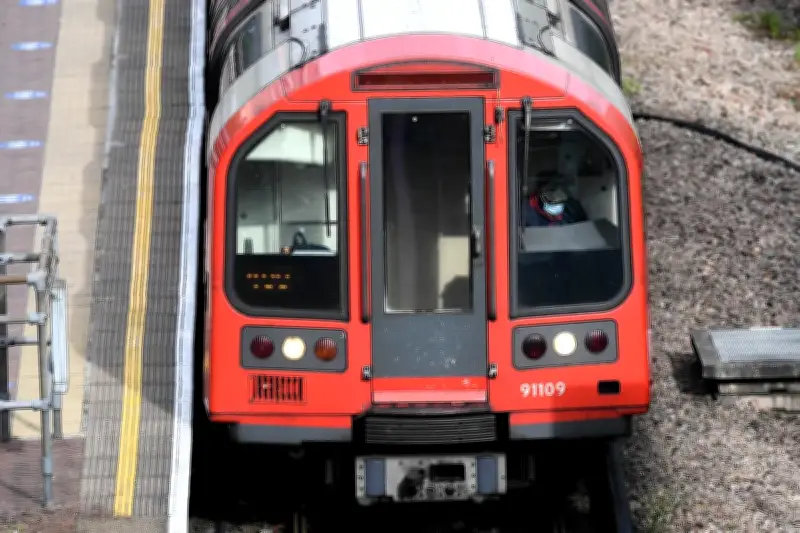
Tube passengers face travel disruption this week as RMT train drivers stage the first of eight 24-hour walkouts, threatening to cripple London Underground in the run-up to Christmas and into the New Year.
The industrial action, set for Thursday, stems from a bitter stand-off with Transport for London (TfL) over proposals for a four-day working week. Last-ditch talks between the RMT and London Underground on Tuesday failed to break the deadlock.
Why are the strikes happening?
The RMT union is opposing the proposed four-day working week, arguing that drivers will face longer hours driving trains, longer duties, earlier starts and later finishes, short-notice changes to shifts, and attacks on existing transfer rights between depots and annual leave arrangements.
The union described the reforms as a “vehicle for job cuts, intensified working and the erosion of terms and conditions”. TfL, however, stressed that the change to a four-day week would be voluntary and would mean drivers work fewer hours overall. Drivers can stay on the old working arrangements, but some faced having to move depot. Transport bosses offered a third option of a 36-hour week, with new working conditions but staying at the same depot.
New working conditions
TfL also highlighted reforms it wants to see, including on picking up trains. Drivers are currently allocated paid walking time from the depot where they are based to pick up a train, which TfL stressed “takes time”. It wants drivers to instead pick up trains on platform, which it says is in line with many rail companies.
TfL also wants to reduce notice periods for shifts, for example to avoid two drivers being down for the same work if one is returning from sick leave. Currently, drivers can nominate to move depots and lines after 18 months. But TfL says training takes 14 weeks, and transferring between lines takes between 8 and 10 weeks, so drivers can spend months not driving. It wants to limit line moves to every five years to cut the impact of drivers changing soon after qualifying.
War of words
The RMT and TfL were in talks over the summer to try to resolve the stand-off, but the two sides failed to reach an agreement over the changes, which are strongly backed by the ASLEF train drivers’ union. The reforms would give drivers, many of whom earn more than £70,000, more time away from work and will cut rostered hours to 34 from the current average of 36, ASLEF stressed.
Nick Dent, TfL's director of customer operations, said that the plans would give drivers “a real, meaningful choice” over their working patterns. He stressed: “We have engaged with our trade unions for months about our proposal for a new four-day working week. As a result of that engagement, drivers can now choose to remain on a five-day week with a guarantee of remaining at the same depot.”
However, RMT General Secretary Eddie Dempsey stressed: “London Underground is attempting to dress up a wholesale attack on drivers' working conditions as a voluntary four-day week.” He added that there was “nothing voluntary” about the proposals and claimed drivers would be asked to “accept longer and more unpredictable shifts” while giving up long-standing protections.




