

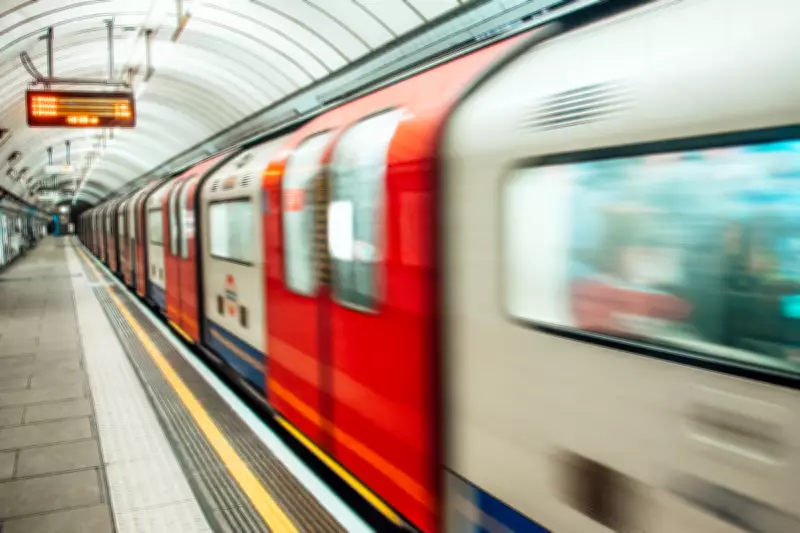
London Underground drivers, represented by the RMT union, have officially confirmed plans for industrial action, scheduling two separate 24-hour strikes next week. This move is set to cause significant travel disruption across the capital, affecting thousands of commuters and visitors alike.
Strike Dates and Timing Details
The strikes are slated to commence from midday on Tuesday, 21 April 2026, and will be repeated on Thursday, 23 April 2026. Each walkout will last for a full 24 hours, with Transport for London (TfL) warning that the impact will extend into the afternoons and evenings even after the strikes conclude. Passengers are strongly advised to check service updates before embarking on any journeys during this period to avoid inconvenience.
Root Causes of the Dispute
The RMT union has accused TfL of attempting to impose a new four-day working week on drivers, a claim that has sparked the industrial action. In response, TfL has clarified that the proposed changes are intended to be voluntary, with no reduction in contractual hours for employees. Claire Mann, TfL's chief operating officer, emphasised that the proposals aim to provide train operators with an additional day off, enhance service reliability, and bring the London Underground in line with other train operating companies across the UK.

This dispute highlights ongoing tensions between union representatives and transport authorities over working conditions and operational reforms. The RMT's decision to strike reflects broader concerns among members about potential changes to their schedules and work-life balance, despite TfL's assurances of voluntariness.
Historical Context and Commuter Impact
This is not the first time London has faced tube strikes; similar actions in the past, such as those in 2022, have led to widespread commuter battles and travel chaos. The upcoming strikes are expected to mirror previous disruptions, with reduced services, longer wait times, and overcrowding on alternative transport routes. TfL is urging the public to plan ahead, consider using buses or other modes of transport, and stay informed through official channels.
As the dates approach, both sides remain at an impasse, with no immediate resolution in sight. The strikes underscore the critical role of London Underground drivers in the city's transport network and the potential for industrial action to ripple through daily life, affecting businesses, tourism, and overall mobility in one of the world's busiest metropolitan areas.






