

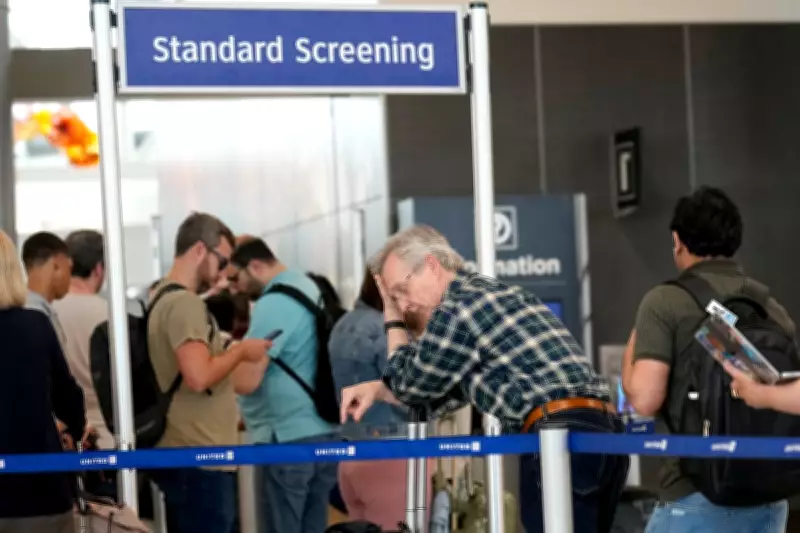
Trump's Executive Order to Pay TSA Officers Aims to Ease Airport Security Delays
President Donald Trump has signed an executive order directing the Department of Homeland Security to pay Transportation Security Administration officers immediately, with the goal of alleviating long security lines at major U.S. airports during a peak travel period. The order was issued on Friday, 28 March 2026, as spring break, Passover, and Easter holidays drive increased passenger volumes nationwide.
Current Airport Conditions and Passenger Experiences
With spring break in full swing, airline passengers have faced significant wait times at security checkpoints. While some early Saturday fliers reported minimal issues, this appears to be an exception rather than the norm. At many of the busiest airports, social media posts indicate security lines are growing exponentially longer by the hour.
Baltimore-Washington International Airport, for instance, stated on social platform X that it had "not previously experienced checkpoint wait times similar to what we are seeing this morning," advising travelers to arrive four hours before departure. Similar warnings have been echoed at other major hubs, highlighting the severity of the delays.

Payment Timeline and Staffing Challenges
Homeland Security Secretary Markwayne Mullin announced that TSA personnel could receive payment as soon as Monday, providing relief for workers who have been unpaid since 14 February. However, it remains uncertain whether this promise will be fulfilled on schedule and if it will immediately resolve the snaking lines at airports.
The staffing crisis is exacerbated by high absenteeism and resignations. On Thursday, more than 11.8% of scheduled TSA employees missed work, a record high, with some airports experiencing daily call-out rates of 40%. Nearly 500 of the agency's approximately 50,000 officers have quit since the shutdown began, according to DHS data.
Expert Insights on Long-Term Impact
Caleb Harmon-Marshall, a former TSA officer who runs the travel newsletter Gate Access, emphasized that the staffing issue won't improve significantly until officers are confident they won't face further skipped paychecks. "If it’s only for a pay period, that’s not enough to bring them back," he said. "It has to be an extended pay for them to come back or want to stay there." He estimates longer lines could persist for another week or two, even with the executive order.
Airports must now decide whether to reopen checkpoints or expedite service lanes that were closed or consolidated due to inadequate staffing. The timeline for noticeable improvements in airport delays is hard to predict, as it depends on factors like officer retention and operational adjustments.
Monitoring Wait Times and Travel Advice
Experts recommend that passengers check airport conditions early and often, using official websites and social media accounts for timely updates. Many airports urged travelers on Saturday to allow at least four hours for both domestic and international screenings.
Wait times can change rapidly based on passenger volume and TSA staffing. Notably, the MyTSA mobile app may not provide accurate data during the shutdown, as TSA isn't actively managing its sites. Third-party websites tracking TSA lines might also offer outdated estimates if they rely on publicly available information.
As the situation evolves, travelers are advised to stay informed and plan accordingly to navigate the ongoing disruptions at U.S. airports.






