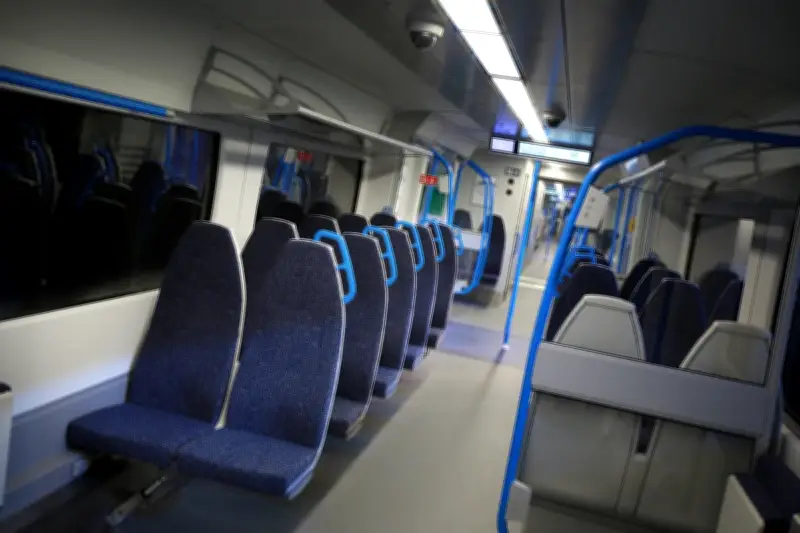
Thameslink is set to replace the standard class seats on all of its trains that have been likened to "ironing boards", more than a decade after the government spent £1.6 billion of public money building the fleet.
The Department for Transport (DfT) has confirmed that more than 60,000 standard class seat base cushions in all 115 Thameslink trains will be replaced, along with improved backrests, from next year.
First class seats will keep their existing backrest design, but their seat base cushions will be upgraded, while seat back tables will be installed on the 70 Thameslink trains currently not fitted with them, according to the DfT.

Work to begin in 2027
Transport Secretary Heidi Alexander said the work, which is set to begin in 2027 and last two years, was "public ownership of our railways in action" as part of the new Great British Railways programme.
Thameslink operates services that travel through London, as well as across the South East, including Sussex, Surrey and some areas of Kent.
The operator is owned by Greater Thameslink Railway (GTR) which was brought into public ownership at the end of May.
Reaction to the upgrade
Ms Alexander said: "Less than 100 days since GTR transferred into public control, we’re delivering on the improvements commuters have been asking for.
"From next year, we’ll start getting rid of the dreaded ironing board seats so passengers can enjoy comfier, more pleasant journeys on some of Britain’s busiest commuter routes.
"We know fixing Britain’s railway is more than a refurb job and moves like this are just the start of putting our railway back on the right track."
John Whitehurst, chief executive at GTR, said: "Our customers tell us that comfort matters, which is why we’ve been working on plans to improve seating on Thameslink services and give the millions of people who use our extensive network a better experience.
"Through customer research with everyday commuters, we’ve gathered valuable insight to help us shape the best possible solution for cushion comfort onboard our high-capacity trains. We’re pleased to move forward with plans and bring about those much-expected improvements."
Criticism over the contract
However, some have criticised the DfT for awarding a £1.6 billion contract for the trains despite being warned of the seat discomfort at the time.
Shadow Transport Secretary Richard Holden said "promises of improvement" on nationalised services were turning into "fewer trains, fewer seats, and more delays".
Meanwhile, Graeme Pickering, senior correspondent at Railway Magazine, said: "Might have been wise not to frame this as 'public ownership fixes private sector mess' when it was the DfT which procured said trains."