Transport for London (TfL) is proceeding with a major overhaul of bus services across north, central, east, and south London, including changes to routes 19 and 38 and the introduction of a new route 10, scheduled for implementation from November 2026. The decision comes despite significant public opposition, with over 1,600 responses to a consultation revealing that a majority of users believe the changes will make their journeys less convenient.
Specific Route Changes and Timelines
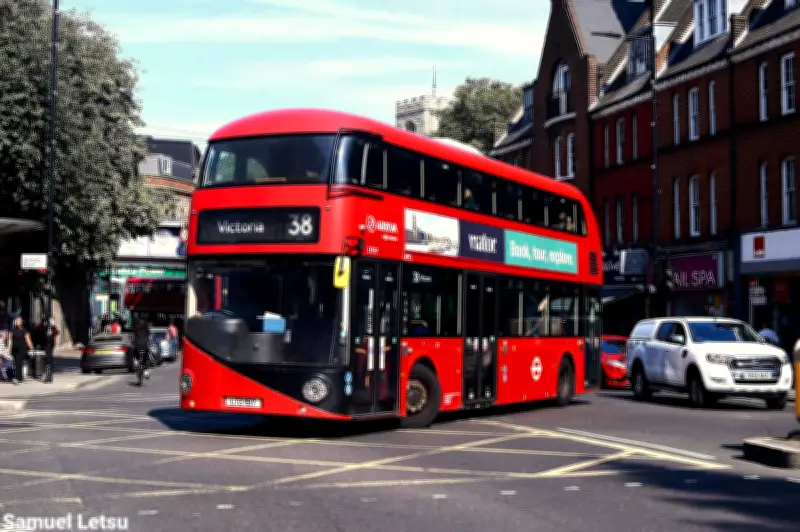
Route 19, which currently runs between Finsbury Park and Battersea Bridge, will be diverted at Hyde Park Corner to terminate at Victoria. Early Sunday morning services on this route will see increased frequency, operating every 12 minutes. Route 38, connecting Clapton and Victoria, will be curtailed to end at New Oxford Street in Holborn, maintaining links to the Tube network according to TfL. However, its frequency on Saturdays will be halved from every 5 minutes to every 10 minutes, with similar reductions on Sundays, early mornings, and evenings.
A new service, provisionally numbered route 10, will be introduced to maintain essential capacity between Essex Road and Holborn and preserve direct links between Battersea Bridge and Central London. TfL stated that the proposals stem from declining demand on route 38 and a need to improve the reliability of route 19, which has been described as unreliable.
Overwhelming Public and Political Opposition
The consultation, which attracted more than 1,600 respondents, revealed strong disapproval. Sixty-four per cent of route 19 users said the changes would make their trips less convenient, while 72 per cent of route 38 users agreed. Islington Council and Westminster City Council both warned that residents would lose critical bus services, disproportionately affecting elderly, vulnerable, and low-income individuals.
Dame Meg Hillier, MP for Hackney South & Shoreditch, opposed the plans, arguing that buses serve as a "de facto Tube network" for Hackney residents who lack convenient access to the London Underground. She urged TfL to focus on reducing congestion caused by Low Traffic Neighbourhoods (LTNs) and cycle lanes instead of cutting the 38 route’s through-service to Victoria.
Many passengers repeatedly argued that areas like Dalston, Clapton, and Hackney generally do not have the same convenient Underground access as other boroughs, according to TfL’s survey. The shortening of route 38 angered respondents, who said it would lengthen trips, increase costs, and cause severe overcrowding at already busy stops.
Council Concerns and TfL Adjustments
Camden Council broadly welcomed TfL’s strategy but raised concerns about impacts on traffic measures in Holborn. Council officers warned that placing the 38 bus terminus on New Oxford Street could overload Bury Place, where bus stands are due to be relocated, interfering with the council’s £40 million Holborn Liveable Neighbourhood project aimed at reducing traffic and improving walkability.
In response to feedback about the loss of early morning and late evening direct services from Hackney to Victoria, TfL amended its plans to extend the N38 night bus service’s operations by starting an hour earlier and finishing an hour later all week. Additionally, due to concerns about insufficient space for bus stands, TfL extended the proposed terminus of route 10 from Mildmay Park to Newington Green on the border of Hackney and Islington.
Ongoing Monitoring and Future Adjustments
TfL stated that it will keep all changes under review and will conduct passenger loading surveys after the changes come into effect to assess their impact and make further adjustments if necessary.