Sydney Shuttle Bus Enforces Strict Swimwear Ban Amid Safety Concerns
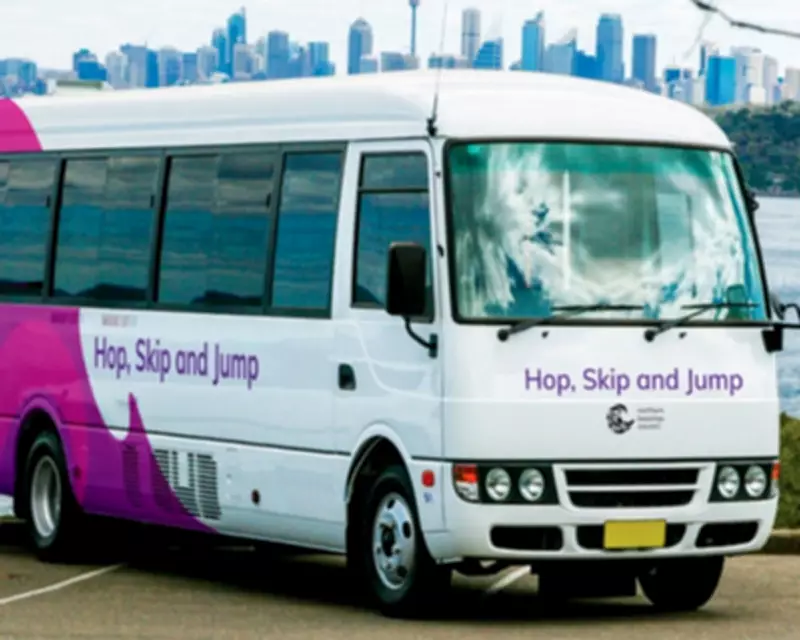
A shuttle bus service operating in Sydney has implemented a controversial new policy that prohibits passengers from wearing swimwear while onboard. The ban, which took effect recently, applies to all routes, including those connecting popular beach areas such as Bondi and Coogee. Bus operators have cited safety and hygiene issues as the primary reasons for the restriction, arguing that wet or sandy swimwear can create slippery conditions and contribute to unsanitary environments within the vehicles.
Public Backlash and Accusations of Discrimination
The swimwear ban has sparked significant public backlash, with many residents and tourists labeling it as discriminatory and impractical. Critics argue that the policy unfairly targets beachgoers, who often rely on public transport to travel to and from coastal destinations. Advocacy groups have raised concerns that the ban could disproportionately affect low-income individuals and tourists who may not have easy access to changing facilities, potentially limiting their mobility and enjoyment of Sydney's iconic beaches.
Local community members have expressed frustration, noting that Sydney's climate and lifestyle make swimwear a common attire during summer months. One frequent rider stated, "This ban feels out of touch with our beach culture. It's unreasonable to expect people to change clothes just for a short bus ride." The shuttle service has defended its decision, emphasizing that the rule is intended to maintain a safe and comfortable environment for all passengers, but has faced calls to reconsider or provide exceptions for specific circumstances.

Operational Challenges and Broader Implications
Enforcement of the swimwear ban presents several operational challenges for the shuttle bus service. Drivers have reported difficulties in consistently applying the policy, leading to confusion and potential conflicts with passengers. Additionally, there are concerns about the economic impact on tourism, as visitors might be deterred from using the service if they perceive it as unfriendly or restrictive. The ban has also ignited a broader debate about public transport policies in urban areas with strong coastal identities, highlighting the need to balance safety measures with practical considerations for local lifestyles.
Looking ahead, the shuttle service plans to review the ban's effectiveness and gather feedback from stakeholders. However, as the issue gains media attention, it underscores ongoing tensions between regulatory measures and community expectations in Sydney's vibrant public transport network.