
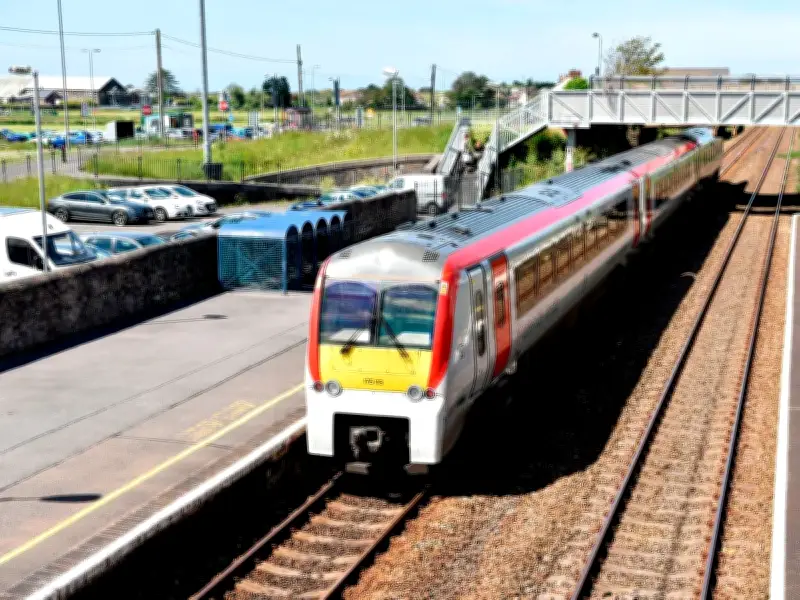
Plans have moved forward for new train stations and more frequent services in Swansea as part of the Swansea Bay and West Wales Metro transport project. The plans are expected to cost an estimated £200m.
The metro project is about building more train stations and increasing service frequency along with wider bus improvements, integrated ticketing, and more attractive cycling and walking options. Officials have been developing the metro plans for years.
First phase: Cockett station and Pembrey turnback
On Tuesday, Swansea council leader Rob Stewart was asked by opposition councillors in writing for any updates on the metro. In his reply, he said the first phase was a new rail station at Cockett and what is known as a “turnback” facility at Pembrey and Burry Port station, Carmarthenshire, which would allow trains to reverse direction.
The second and more significant phase, said Cllr Stewart, would create new stations on the Swansea district line – mainly used by freight trains – and mean passenger services stopping at Pontarddulais, Pontlliw, Felindre, Morriston, Llansamlet, Llandarcy, Skewen, and Llansamlet.
Proposed stations and investment document
A map seen by the Local Democracy Reporting Service shows stations are also proposed at Winch Wen and Landore between Neath station and Swansea High Street station.
The Swansea Bay and West Wales Metro was one of 43 projects outlined this year in a major rail investment document by Transport for Wales (TfW). Cllr Stewart said TfW was updating business cases for the first and second phase of the metro. “This will increase the frequency of trains at Swansea High Street while connecting communities across Swansea, service high-travel employment areas, and provide faster journey times to west Wales,” he said.
Cost estimates and consultation
TfW said the current “high-level” cost estimate of the Cockett station and Burry Port “turnback” project was under £50m, while the estimated cost of the Swansea district line upgrade, with services then running north to Ammanford, was estimated to cost more than £150m.
The projects set out in TfW’s investment document, called Today, Tomorrow, Together: A vision for rail across Wales and Borders, are estimated to cost up to £14bn. Speaking earlier this year, the then-first minister Eluned Morgan said the 43 rail projects outlined in it would take around 15 years to implement. Significant government funding would be needed.
TfW said a consultation about Swansea Bay and West Wales Metro was due to get underway in November.
Ben George, TfW’s head of regional transport, said: “The delivery of the Swansea Bay and West Wales Metro will require public sector investment and will be subject to the development and approval of robust business cases.
“As rail infrastructure is non-devolved, realising these benefits for people living and working in Swansea Bay will require the UK Government’s support, cooperation, and collaboration, including capital funding for the necessary improvements. Ongoing operational costs would be met by the Welsh Government.”
He said progress of individual schemes would be dependent on prioritisation by the Wales Rail Board – a group of senior government and transport officials.




